SUSTAINABLE GOVERNANCE: AN INTEGRATED MULTIDISCIPLINARY PERSPECTIVE
Keywords:
Tata kelola berkelanjutan (Sustainable governance), ESG (Environmental, Social, and Governance), Transformasi digital (Digital transformation)Synopsis
Di tengah era transformasi digital yang pesat, tantangan lingkungan yang semakin kompleks, serta meningkatnya ekspektasi masyarakat, tata kelola igovernance idak lagi dapat dipahami sebatas mekaname pengawasan dan kepatuhan semata Tata kelola perlu berkembang menjadi sistem yang dinarnis dan turintegrasil, yang mampu menyelaraskan kinerja ekonomi dengan tanggung jawab sosial dan keberlanjutan lingkungan.
Buku Sustainable Governance: An integrated Multidisciplinary Perspective menghadirkan kajian komprehensif mengenali tata kelola berkelanjutan melalui pendekatan multidisiplin. Buku ini mengintegrasikan perspektif car perilaku organisasi, tata kelola keuangan, manajemen rantai pasok, teknologi digital, data science, hingga pelaporan keberlanjutan. Melalui pendekatan tersebut, buku ini menawarkan pemahaman yang holistik mengenal bagaimana sistem tata kelola dapat dirancang untuk menciptakan nilai jangka panjang dalam lingkungan yang semakin kompicks dan saling terhubung
Setiap bab dalam buku ini mengulas isu-isu strategis, seperti integrasi ESG calam pengambilan keputusan keuangan, tantangan tata kelola dalam ekonom gig. koordinasi rantai pasok berkelanjutan, tata kelola berbasis data dan kecerdasan bustan, serta peran inovasi dan budaya dalam membentuk organisan yang berkelanjutan. Dengan menjembatani teori dan praktik buku ini menegaskan bahwa tata kelola bukan sekadar alat kontrol, melainkan kapabilitas strategis yang memungkinkan organisasi mencapai resiliensi, akuntabilitas, can penciptaan nilai berkelanjutan.
Buku ini ditujukan bagi akademisi, pene iti, pembuat kebijakan, serta praktisi yang ingin memahami den mengimplementasikan tata kelola berkelanjutan secara komprehensif di era digital.
Tim Penulis
Downloads
Download data is not yet available.
References
Abbas, A., Xiaobao, P., Khan, M. A., & Shahzad, F. (2021). Role of responsible leadership for organizational citizenship behavior for the environment in light of psychological ownership and employee environmental commitment: A moderated mediation model. Frontiers in Psychology.
Abdelwahed, N., & Soomro, B. (2024). Enhancing organizational behaviour through corporate governance: The crucial role of organizational culture and sustainability. Corporate Governance and Organizational Behavior Review.
Agboola, A. (2025). The future of management reporting and sustainability reporting: Integrating ESG metrics for strategic decision-making. World Journal of Advanced Research and Reviews.
Agyemang, A. O., Osei, A., & Kongkuah, M. (2025). Exploring the ESG‐Circular Economy Nexus in Emerging Markets: A Systems Perspective on Governance, Innovation, and Sustainable Business Models. Business Strategy and the Environment, 34(5), 5901–5924. https://doi.org/10.1002/bse.4278
Ahi, P., & Searcy, C. (2013). A comparative literature analysis of definitions for green and sustainable supply chain management. Journal of Cleaner Production, 52, 329–341. https://doi.org/10.1016/j.jclepro.2013.02.018
AHIR, D. M., & Mahida, R. G. (2025). Green finance and sustainable investment strategies: Catalyzing a low-carbon global economy. Vidhyayana.
Ahmed, Z., Khosa, M., Nguyen, N. T., Faqera, A. F. O., Ibikunle, A. K., & Raza, S. (2024). Double-edged sword effects of green HRM on employee organizational citizenship behavior for the environment: Interactive effects and mediation mechanisms. Business Process Management Journal.
Aichouni, A. B. E., Silva, C., & Ferreira, L. M. D. F. (2024). A systematic literature review of the integration of total quality management and Industry 4.0: Enhancing sustainability performance through dynamic capabilities. Sustainability.
Alhamis, I. (2024). Theoretical frameworks for integrating sustainability factors into institutional investment decision-making. The Journal of Social Sciences Research.
Alhares, A. (2025). Does financial performance improve the quality of sustainability reporting? Exploring the moderating effect of corporate governance. Sustainability.
Ali, M., Arshad, H., Khan, I., & Hussain, A. (2025). Artificial intelligence in stock market investment: Enhancing decision-making through predictive analytics and behavioral insights. Academia International Journal for Social Sciences.
Allais, R., Roucoules, L., & Reyes, T. (2017). Governance maturity grid: A transition method for integrating sustainability into companies. Journal of Cleaner Production, 140(Part 1), 213–226. https://doi.org/10.1016/j.jclepro.2015.09.140
Almaqtari, F. A., Elsheikh, T., Hussainey, K., & Al-Bukhrani, M. A. (2023). Country-level governance and sustainable development goals: implications for firms’ sustainability performance. Studies in Economics and Finance, 41(3), 684–723. https://doi.org/10.1108/SEF-05-2023-0272
Almaqtari, F. A., Rehman, S., Nigam, S., & Khan, M. (2024). The Impact of Board Structure, IT Governance, and Fintech on Green Finance and Sustainability: An Integrated Model. Strategic Change, 34(2), 337–357. https://doi.org/10.1002/jsc.2623
Almilia, L., Mursita, L., Mustafida, N., Rachmadia, R., & Rohmayati, N. (2025). Green campaign, governance system, and sustainable development goal performance in Indonesian MSMEs. International Journal of Management and Sustainability.
Almulhim, A. I. (2025). A Conceptual Framework for Integrating IoT and Blockchain for Smart and Sustainable Urban Development. Smart Cities. https://doi.org/10.3390/smartcities8060209
Almulhim, A. I., & Yigitcanlar, T. (2025). Understanding Smart Governance of Sustainable Cities: A Review and Multidimensional Framework. Smart Cities, 8(4), 113. https://doi.org/10.3390/smartcities8040113
Alodat, A. Y., & Hao, Y. (2025). Environmental, social and governance (ESG) disclosure and firm performance: Moderating role of board gender diversity and sustainability committee. Sustainable Development, 33(1), 636–651. https://doi.org/10.1002/sd.3126
Al-Qudah, H., A. A., & A. (2024). Firms characteristics, corporate governance, and the adoption of sustainability reporting: Evidence from gulf cooperation council countries. Journal of Financial Reporting and Accounting.
Alsaid, L.A.Z.A., & Ambilichu, C.A. (2024). Performance measurement in urban development: Unfolding a case of sustainability KPIs reporting. Journal of Accounting and Organizational Change, 20(3), 344-369.
Alsaid, L.A.Z.A., & Mutiganda, J.C. (2024). Sustainability management accounting in urban development: A case study of an Egyptian state-owned enterprise. Sustainability, 16(18), 8235.
Alshahrani, A., & Hakim, T. (2026). Advancing sustainable organizational performance through digital-enabled sustainability management accounting: An empirical investigation. Journal of Sustainable Business, 28(3), 445-472.
Alshammari, S., Aichouni, M., Ali, N. B., Alshammari, O. S., Alfaraj, F., & Aichouni, A. B. E. (2025). Impact of total quality management and lean manufacturing on sustainability performance: An SEM-ANN approach in Saudi food manufacturing. Sustainability.
Alta'any, T., Tauringana, M., Zalata, V., Achiro, A., & O, L. (2024). Unpacking sustainability reporting dimensions: The impact of board characteristics. Journal of Financial Reporting and Accounting.
Althnayan, S., Alarifi, A., Bajaba, S., & Alsabban, A. S. (2022). Linking environmental transformational leadership, environmental organizational citizenship behavior, and organizational sustainability performance: A moderated mediation model. Sustainability.
Alwheshi, A., Alzubi, A., & Iyiola, K. (2024). Linking responsible leadership to organizational citizenship behavior for the environment: Examining the role of employees’ harmonious environmental passion and environmental transformational leadership. SAGE Open.
Aly, A. S., & Al-Salfiti, A. (2025). Linking consumption values to green purchase intention: Evidence from emerging economies. Sustainability.
Amalia, F., Putriani, A., Mangifera, L., & Suhardjo, Y. (2023). Does altruistic impact investment decision? Evidence from Indonesia. Journal of Islamic Accounting and Finance Research.
Aman, M., & Lucianetti, L. (2025). Corporate environmental performance and environmental management accounting systems. In Environmental Management Accounting and Corporate Environmental Performance (pp. 1-45). Springer.
Angelika Wodecka-Hyjek, T. K., Rafa Kusa. (2024). Evaluating the current state of Digital Era Governance application in local government units in the Maopolska region. Engineering Management in Production and Services. https://doi.org/10.2478/emj-2024-0002
Anna Neya Kazanskaia. (2025). Participatory Development as a Framework for Inclusive and Sustainable Change. NEYA Global Journal of Non-Profit Studies. https://doi.org/10.64357/neya-gjnps-prtdvchange-11
Annesi, N., Battaglia, M., Ceglia, I., & Mercuri, F. (2025). Navigating paradoxes: building a sustainable strategy for an integrated ESG corporate governance. Management Decision, 63(2), 531–559. https://doi.org/10.1108/MD-10-2023-2006
Anusha.M, Mrs., & Rani, Dr. M. R. J. (2025). Assessing the impact of sustainability indicators on corporate governance: An empirical analysis of esg performance, value creation, reporting quality, and financial outcomes. European Economic Letters (EEL).
Anwar, S., & Ahmed, N. S. (2025). The culture code of sustainable finance: ESG investing as a driver of social change. Journal of Cultural Analysis and Social Change.
Arora, P. R., Arora, H., Saini, P., & Neha. (2024). Unlocking the path to sustainability: A hierarchical model for understanding corporate barriers to ESG reporting adoption. Journal of Risk and Financial Management.
Arum, R. A. (2025). A systematic literature review on the role of financial management in corporate sustainability. JEKAMI Journal of Accounting.
Arunkumar. (2024). The role of corporate governance in preventing financial crises. ShodhKosh Journal of Visual and Performing Arts.
Awanye, E. N., Morah, O. O., Ekpedo, L., & Adeyoyin, O. (2021). A review of green investment strategies and financial decision-making for sustainability. Shodhshauryam International Scientific Refereed Research.
Bach, J., Gorze-Mitka, J., Lipowicz, I., & M. (2025). Scientific mapping of environmental, social, and governance (ESG) research from the perspective of stakeholders: A content analysis study. Journal of Entrepreneurship, Management and Innovation.
Bano, S., Ali, A., Capalbo, F., & Smarra, M. (2025). Harnessing Board Sustainability Expertise for Corporate Sustainability: Unveiling the Influence of Gender Diversity and Compensation. Corporate Social Responsibility and Environmental Management. https://doi.org/10.1002/csr.70362
Bansal, & C. (2025). AI ethics and sustainability: Accelerating paradigm shifts toward sustainable development. Journal of Strategy and Innovation.
Bastos, Gomes, M. F. L. ;. M., Perlin, C. M. ;., Kneipp, A. P. ;., & M., J. (2025). The influence of sustainable governance and innovation on socio-environmental performance: A multivariate analysis of companies listed on the brazilian corporate sustainability index. Revista Brasileira de Gestao de Negocios.
Basu, R. (2023). Managing Global Supply Chains: Contemporary Global Challenges in Supply Chain Management (3rd edn). Routledge. https://doi.org/10.4324/9781003341352
Basumatary, D., & Sar, A. K. (2025). Aligning Corporate Governance with Sustainable Development Goals. Indian Journal of Corporate Governance, 18(1), 132–162. https://doi.org/10.1177/09746862251323019
Bauer, P., & Greiling, D. (2024). Management Controls for Contributing to the Promotion of Sustainable Development in Public Sector Organizations — Status Quo and Further Research. Sustainable Development, 33, 3246–3265. https://doi.org/10.1002/sd.3292
Baumgartner, R. J., & Ebner, D. (2010). Corporate sustainability strategies: Sustainability profiles and maturity levels. Sustainable Development, 18(2), 76–89. https://doi.org/10.1002/sd.447
Benedetta Pini, B. B., A. Petroni. (2026). Technological Innovation and Sustainability in Public Administration: A Systematic Review and Research Agenda. Administrative Sciences. https://doi.org/10.3390/admsci16020080
Berg, F., Koelbel, J. F., & Rigobon, R. (2022). Aggregate confusion: The divergence of ESG ratings. Review of Finance, 26(6), 1315–1344.
Berle, A. A., & Means, G. C. (1932). The modern corporation and private property. Commerce Clearing House.
Beusch, P. (2025a). Designing management accounting and control for sustainability. In Management Accounting and Control for Sustainability (pp. 1-25). Routledge.
Beusch, P. (2025b). Integrating management accounting and control for sustainability. In Management Accounting and Control for Sustainability (pp. 26-58). Routledge.
Bhat, J., Sundar, D., & Jayaram, Y. (2024). AI Governance in Public Sector Enterprise Systems: Ensuring Trust, Compliance, and Ethics. International Journal of Emerging Trends in Computer Science and Information Technology, 5, 128–137. https://doi.org/10.63282/3050-9246.IJETCSIT-V5I1P114
Bhutto, M. Y., & Rtelion, A. (2025). Greening generation z: Unraveling pro-environmental purchase intentions for green apparel in Lithuania through an extended theory of planned behavior, social media influence and environmental self-identity. Social Responsibility Journal.
Bieber, F., & Moggia, J. (2020). Risk Shifts in the Gig Economy: The Normative Case for an Insurance Scheme against the Effects of Precarious Work*. Journal of Political Philosophy. https://doi.org/10.1111/jopp.12233.
Bihari, A., Dash, M., Muduli, K., Kumar, A., Luthra, S., & Upadhyay, A. (2025). Sustainable development investment decision: Do environmental, social and governance (ESG) and behavioral biases factors matter? Sustainable Development.
Bilali, H. (2020). Transition heuristic frameworks in research on agro-food sustainability transitions.
Biloblovskyi, S., Haidaienko, O., Khrystenko, L., Demchuk, O., & Morozova, H. (2024). Integrated reporting management: Optimising organisational performance. Multirev, 2024, spe016.
Boadi, M., Twum, S., & Boadi, J. A. (2025). Exploring the multifaceted determinants of sustainability reporting: A holistic perspective. The International Journal of Business Review (The Jobs Review).
Boon, de, Sandstrm, A. ;., Rose, C. ;., & C., D. (2022). Governing agricultural innovation: A comprehensive framework to underpin sustainable transitions. Journal of Rural Studies.
Bracci, E, Bruno,A, & Ievoli, G. D. A. R. (2024). The integration of performance management and risk management in the public sector : an empirical case. Journal of Management Control, 35(1), 137–163. https://doi.org/10.1007/s00187-024-00369-2
Buhmann, K., Rialp-Criado, J., & RialpCriado. (2024). Predicting consumer intention to adopt battery electric vehicles: Extending the theory of planned behavior. Sustainability.
Campanella, F., Serino, L., & Crisci, A. (2023). Governing Fintech for sustainable development: evidence from Italian banking system. Qualitative Research in Financial Markets, 15(4), 557–571. https://doi.org/10.1108/QRFM-01-2022-0009
Cao, M., & Zhang, Q. (2011). Supply chain collaboration: Impact on collaborative advantage and firm performance. Journal of Operations Management, 29(3), 163–180. https://doi.org/10.1016/j.jom.2010.12.008
Cardoni, A., & Kiseleva, E. (2023). Sustainable governance: Concept, metrics and contexts. Springer. https://doi.org/10.1007/978-3-031-37492-0
Cardoni, A., & Kiseleva, E. (2023). Sustainable governance: Concept, metrics and contexts. Springer Nature. https://doi.org/10.1007/978-3-031-37492-0
Cardoni, A., Kiseleva, E., & Lombardi, R. (2020). A sustainable governance model to prevent corporate corruption. Business Strategy and the Environment, 29(3), 1173–1185. https://doi.org/10.1002/bse.2420
Cardoni, A., Kiseleva, E., Lombardi, R., & Terzani, S. (2022). From sustainable value to shareholder value. Business Strategy and the Environment. https://doi.org/10.1002/bse.3037
Carrin-Bsquez, N., Veas-Gonzlez, I., Naranjo-Armijo, F., Llamo-Burga, M., Ortiz-Regalado, O., Ruiz-Garca, W., Guerra-Regalado, W., & Vidal-Silva, C. (2024). Advertising and eco-labels as influencers of eco-consumer attitudes and Awareness Case study of Ecuador. Foods.
Caverly, R. W. (2013). Responsible innovation: Managing the responsible emergence of science and innovation in society. None.
Cavicchi, C., Oppi, C., & Vagnoni, E. (2023). Mobilising management control systems to support sustainability strategy in SMEs: The case of a waste disposal firm. Meditari Accountancy Research, 31(2), 455-478.
Cembranel, P., Gewehr, L., Dal Moro, L., Fuchs, P. G., Birch, R. S., & Andrade Guerra, J. B. S. O. de A. (2024). The pivotal role of higher education institutions in cultivating a sustainable development goals-centric culture. International Journal of Sustainability in Higher Education, 25(7), 1385–1411. https://doi.org/10.1108/IJSHE-01-2024-0057
Cervi, F., & Christopoulos, T. P. (2024). Dynamics of institutional sustainability logics in organizations : a systematic literature review. Cad. EBAPE.BR, 22(2), 1–14.
Chalmeta, R., & Ferrer-Estvez, M. (2023). Developing a business intelligence tool for sustainability management. Business Process Management Journal, 29(2), 421-443.
Chan, Y. (2025). Green brand positioning and consumer purchase intention: The dual mediating roles of self-image and functional congruence. Sustainability.
Chang, W.-H., Chang, M.-C., Chang, M.-H., Chan, Y.-K., & Hsieh, M. Y. (2025). Digital Health Transformation: An Empirical Analysis of Sustainable Healthcare Through the Various Applications of Artificial Intelligence Internet of Things Technology. DIGITAL HEALTH, 11, 20552076251396987. https://doi.org/10.1177/20552076251396987
Chaves-Guerrero, E.-I., & Moral-Sánchez, S.-N. (2025). Transformative Art History, Empowering Geometry: STEAM-H Education and Critical–Visual Maker Culture Towards Sustainable Futures. Education Sciences, 15(11), 1458. https://doi.org/10.3390/educsci15111458
Chen, Su, Q. ;., Gao, H. ;., Lv, W. ;., & J. (2025). Does environmental regulation drive or hinder the development of new quality productive forces? Evidence from chinese listed firms. Frontiers in Environmental Science.
Chen, W., Ren, H., & Shu, Y. (2025). The Impact of Corporate Digital Transformation on Sustainable Development in China. Business Strategy and the Environment, 34(3), 2721–2747. https://doi.org/10.1002/bse.4120
Chhuttani, P. (2024). Corporate governance reform: Fostering ethical leadership for sustainable development. ShodhKosh Journal of Visual and Performing Arts.
Chowdhury, A, & Shil, Chandra, N. (2021). PERFORMANCE MANAGEMENT SYSTEMS IN PUBLIC SECTOR UNDER NEW PUBLIC MANAGEMENT REGIME: AN AUSTRALIAN CASE. Journal of Public Administration, Finance and Law, 20, 40–61. https://doi.org/https://doi.org/10.47743/jopafl-2021-20-03
Christopher, M. (2016). Logistics & supply chain management (Fifth Edition). Pearson Education.
Christopher, M., & Peck, H. (2004). Building the Resilient Supply Chain. The International Journal of Logistics Management, 15(2), 1–14. https://doi.org/10.1108/09574090410700275
Chwialkowska, A., Bhatti, W. A., Bujac, A., & Abid, S. (2024). An interplay of the consumption values and green behavior in developed markets: A sustainable development viewpoint. Sustainable Development.
Chytis, E., Eriotis, E., Mitroulia, N., & M. (2024). ESG in business research: A bibliometric analysis. Journal of Risk and Financial Management.
Cifolelli, Berardi, S. ;., Russo, M. ;., Ziruolo, A. ;., & A. (2025). Strategic public management for sustainable development: Public value co-creation experiences. Public Money and Management.
Cingillioglu, I., & Wellalage, N. H. (2025). The digital tightrope: balancing value and ethics in hotel transformation. Journal of Hospitality and Tourism Technology. https://doi.org/10.1108/JHTT-04-2025-0297
Colak, M., & Sarolu, M. (2025). The effect of corporate governance on the quality of integrated reporting and ESG risk ratings. Sustainability.
Crciun, Umar, A.-F. ;., Qin, M. ;., Nicolescu, M. ;., Lobont, A.-C. ;., & O.-R. (2025). Digital metamorphosis: Harnessing transformation in the public sector for sustainable governance and resilience.
Crovini, C., Brkland, S., & Zachariassen, F. (2024). Exploring different perspectives of management control for sustainability. In Contemporary Issues in Management Control Systems (pp. 1-28). Edward Elgar Publishing.
Cui, X., Qi, L., Wang, M., Liu, J., & Du, X. (2026). Building Sustainability: The Role of Technology Leader in ESG Performance in the Construction Industry. Business Strategy and the Environment. https://doi.org/10.1002/bse.70590
Damtoft, N. F., Liempd, D. Van, & Lueg, R. (2024). Sustainability performance measurement – a framework for context-specific applications. Journal of Global Responsibility, 16(1), 162–201. https://doi.org/10.1108/JGR-05-2023-0082
Dangelico, R. M., Ceccarelli, G., & Fraccascia, L. (2024). Consumer behavioral intention toward sustainable biscuits: An extension of the theory of planned behavior with product familiarity and perceived value. Business Strategy and the Environment.
Datta, N., Rong, C., Singh, S., Stinshoff, C., Iacob, N., Nigatu, N. S., Nxumalo, M., & Klimaviciute, L. (2023). Working without borders: The promise and peril of online gig work. World Bank. https://openknowledge.worldbank.org/entities/publication/ebc4a7e2-85c6-467b-8713-e2d77e954c6c
Dedema, M., & Rosenbaum, H. (2024). Socio‐technical issues in the platform‐mediated gig economy: A systematic literature review: An Annual Review of Information Science and Technology (ARIST) paper. Journal of the Association for Information Science and Technology, 75, 344 - 374. https://doi.org/10.1002/asi.24868.
Dejan Ravelj, A. A., Lan Umek, L. Todorovski. (2022). A Review of Digital Era Governance Research in the First Two Decades: A Bibliometric Study. Future Internet. https://doi.org/10.3390/fi14050126
della Corte, G., Ricci, F., Saggese, S., & Sarto, F. (2025). Does board industry expertise foster ESG strategy? The mediating role of environmental innovation. Management Decision, 63(2), 560–585. https://doi.org/10.1108/MD-10-2023-2009
Demaret, J., & Molinari, M. (2025). How can management accounting and control systems facilitate compliance with sustainability reporting regulations? Management Accounting Research, 52, 101023.
Dempere, J., Alamash, E., & Mattos, P. (2024). Unveiling the truth: Greenwashing in sustainable finance. Frontiers in Sustainability.
Deng, C., Peng, W., Dou, Z., & Zhang, Q. (2024). Environmental Background Directors and ESG Performance: A Perspective on Green Governance. Sustainability, 16(23), 10559. https://doi.org/10.3390/su162310559
Dey, R. S. K., Strouhal, J., Hamarneh, I., Ratilla, M., & Gurvit-Suits, N. A. (2025). Expounding the consumption intention towards green camping products: Goal setting perspective. Journal of Tourism and Services.
DiMaggio, P. J., & Powell, W. W. (1983). The iron cage revisited. American Sociological Review, 48(2), 147–160. https://doi.org/10.2307/2095101
Ding, H., Wang, Z., Xu, H., & Lin, Z. (2024). A Study on the Impact of Board Characteristics on the Environmental, Social, and Governance (ESG) Responsibilities of Listed Companies—Evidence from Chinese Listings. Sustainability, 16(23), 10490. https://doi.org/10.3390/su162310490
Diwan, S., Sreeraman, H. A., & B. (2024). From financial reporting to ESG reporting: A bibliometric analysis of the evolution in corporate sustainability disclosures. Environment, Development and Sustainability.
Donaldson, T., & Preston, L. E. (1995). The stakeholder theory of the corporation. Academy of Management Review, 20(1), 65–91. https://doi.org/10.2307/258887
Du, Chen, Y. ;., & S. (2026). Going for sustainability: How digital transformation affects corporate radical green innovation in china. Economic Change and Restructuring.
Duggan, J., Sherman, U., Carbery, R., & McDonnell, A. (2019). Algorithmic management and app‐work in the gig economy: A research agenda for employment relations and HRM. Human Resource Management Journal. https://doi.org/10.1111/1748-8583.12258.
Duncum, P. (2001). Visual Culture: Developments, Definitions, and Directions for Art Education. Studies in Art Education, 42(2), 101–112. https://doi.org/10.2307/1321027
Dwivedi, Y. K., Hughes, L., Ismagilova, E., Aarts, G., Coombs, C., Crick, T., Duan, Y., Dwivedi, R., Edwards, J., Eirug, A., Galanos, V., Ilavarasan, P. V., Janssen, M., Jones, P., Kar, A. K., Kizgin, H., Kronemann, B., Lal, B., Lucini, B., … Williams, M. D. (2021). Artificial Intelligence (AI): Multidisciplinary perspectives on emerging challenges, opportunities, and agenda for research, practice and policy. International Journal of Information Management, 57, 101994. https://doi.org/https://doi.org/10.1016/j.ijinfomgt.2019.08.002
Dyer, J. H., & Singh, H. (1998). The Relational View: Cooperative Strategy and Sources of Interorganizational Competitive Advantage. The Academy of Management Review, 23(4), 660. https://doi.org/10.2307/259056
Earley, S. (2021). Using the customer journey to optimise the marketing technology stack. Applied Marketing Analytics, 6(3), 190–210. https://doi.org/10.69554/mlwa5479
Ebrahimi, P., Ahmadi, M., Gholampour, A., & Alipour, H. (2021). CRM performance and development of media entrepreneurship in digital, social media and mobile commerce. International Journal of Emerging Markets, 16(1), 25–50. https://doi.org/10.1108/IJOEM-11-2018-0588
Ed-Dafali, A., Adardour, S., Derj, Z., Bami, A., Hussainey, A., & K. (2025). A PRISMA-based systematic review on economic, social, and governance practices: Insights and research agenda. Business Strategy and the Environment.
Edirisinghe, U.C., Hossain, M.M., & Alam, M. (2025). Sustainability integration in management control systems: Evidence from a developing country. Journal of Accounting, 187(2), 395-398.
Eisenhardt, K. M. (1989). Agency theory: An assessment and review. Academy of Management Review, 14(1), 57–74. https://doi.org/10.2307/258191
Elkington, J. (2002). Cannibals with forks: The triple bottom line of 21st century business (Reprint). Capstone.
Elmaghrabi, M., Hassanein, A., & Diab, A. (2025). How do firm-level and country-level sustainability governance shape corporate sustainability? Insights from environmentally-sensitive industries. Social Responsibility Journal, 21(5), 1086–1110. https://doi.org/10.1108/SRJ-02-2024-0088
EmadEldeen, R., Elbayuomi, A. F., Elmoursy, H., Bouaddi, M., & Basuony, M. A. K. (2025). Does Board Diversity Drive Sustainability? Evidence from UK-Listed Companies. Sustainability, 17(3), 1177. https://doi.org/10.3390/su17031177
Emer, A., Sandforth, A., Rauch, G., Matt, E., & T, D. (2026). Sustainability performance monitoring and reporting: A global comparison, gaps and emerging solutions. Lecture Notes in Networks and Systems.
emigaa, M., Winiewska, A., Liczmaska-Kopcewicz, K., Kiresiewa, Z., & Tuovila, H. (2025). A novel integrated structural model of green consumer purchasing behavior: Asystematic literature review with COM-b framework perspective. Equilibrium. Quarterly Journal of Economics and Economic Policy.
Ennew, C. T., Waite, N., & Waite, R. (2024). Financial Services Marketing: A Guide to Principles and Practice. In Financial Services Marketing: a Guide to Principles and Practice. https://doi.org/10.4324/9781003398615
Espina-Romero, L. C. (2025). Digital Transformation of the State: A Multivariable Model Applied to the Public Sector in Lima, Peru. Administrative Sciences. https://doi.org/10.3390/admsci15090365
Fagbemi, T., Saah, B. T., Nduka, B. P., Aloke, A. I., & Matthew, E. (2025). The evolution of ESG and sustainability reporting: A review of standards, challenges, and impacts on corporate transparency. Journal of Economics, Business, and Commerce.
Farag, M. I. H. (2025). Sustainability as a management strategy: Integrating environmental, social, and governance practices into business administration. Management Science Advances.
Farooq, M., & Muhammad, H. (2025). Climate governance and sustainability reporting. Corporate Social Responsibility and Environmental Management.
Farooq, M., Khan, I., Kainat, M., & Mumtaz, A. (2024). Corporate social responsibility and firm value: The role of enterprise risk management and corporate governance. Corporate Governance: The International Journal of Business in Society.
Ferjani, I., Ichev, U., Lonarski, R., Montariol, I., Pelicon, S., Pollak, A., Šutar, S. S., Toman, K., Valentini, A., Šnidari, A., & Martin. (2024). Textual analysis of corporate sustainability reporting and corporate ESG scores. International Review of Financial Analysis.
Florek-Paszkowska, A., & Ujwary-Gil, A. (2025). The Digital-Sustainability Ecosystem: A conceptual framework for digital transformation and sustainable innovation. Journal of Entrepreneurship, Management, and Innovation, 21(2), 116–137. https://doi.org/10.7341/20252127
Framinan, J. M. (2022). Modelling supply chain dynamics. Springer.
Francisco Carlos, Audilio Gonzalez-Aguilar, & Lise Verlaet, Audilio Gonzalez-Aguilar Francisco Carlos Paletta. (2025). Data visualization of complex research systems aligned with the sustainable development goals. Frontiers in Big Data. https://doi.org/10.3389/fdata.2025.1562557
Freeman, R. E. (1984). Strategic management: A stakeholder approach. Cambridge University Press.
Freeman, R. E. (2010). Strategic management: A stakeholder approach. Cambridge university press.
Ganishti, F. S., Wennadi, L. Y., & Santoso, H. (2025). The impact of enterprise risk management and sustainability disclosures on corporate value with corporate governance as a moderating variable. International Journal of Informatics Economics Management and Science.
Gao, Liu, Y. ;., Fang, J. ;., Shi, K. ;., Ouyang, Y. ;., Ji, Y. ;., Liu, X. ;., & R. (2025). A study on how sector innovation, cultural contexts, and sustainable governance influence the transformation of emerging economies. Journal of Organizational and End User Computing.
Gluch, P., & Hellsvik, S. (2023). The influence of multiple logics on the work of sustainability professionals. Construction Management and Economics, 41(11–12), 893–909. https://doi.org/10.1080/01446193.2023.2214252
Goldschmeding, F., Kemp, R., Vasseur, V., & Scholl, C. (2025). Institutional logics as an object of change : the experiences of a water organization using design thinking for climate adaptation in a multi ‑ stakeholder process. Sustainability Science, 20(3), 759–776. https://doi.org/10.1007/s11625-025-01660-4
Gond, J.-P., Grubnic, S., Herzig, C., & Moon, J. (2012). Configuring management control systems: Theorizing the integration of strategy and sustainability. Management Accounting Research, 23(3), 205-223.
Gulshan, B., Saleem, H., & Bajwa, M. A. (2025). Financial literacy, risk tolerance, and overconfidence as predictors of investment decision-making: The role of emotional intelligence. Gomal University Journal of Research.
Gunawan, L. (2024). Exploring Impacts of Gojek Application as a Sharing Economy Tool on Indonesian Economics and Society: Systematic Literature Review Approach. Journal of Ecohumanism. https://doi.org/10.62754/joe.v3i4.3670.
Gund, P., Joshi, P., Chhabra, M., & D. (2026). Sustainability reporting quality: Antecedents and its impact on firm performance- from bibliometric analysis to a framework model. Corporate Social Responsibility and Environmental Management.
Günther, E., Endrikat, J., & Guenther, T.W. (2016). Environmental management control systems: A conceptualization and a review of the empirical evidence. Journal of Cleaner Production, 136, 147-171.
Guo, M., & Zhou, Y. (2025). Boosting Sustainable Urban Development: How Smart Cities Improve Emergency Management—Evidence from 275 Chinese Cities. Sustainability, 17(15), 6851. https://doi.org/10.3390/su17156851
Gupta, S., Kumar, S., & R. (2025). Which ownership structure will sustain sustainability? An empirical examination of ESG disclosure. International Journal of Disclosure and Governance.
HaiXin, H., & Zhang, W. (2024). Research on the Governance form Mechanism of Platform Enterprise Monopoly Behavior Based on Evolutionary Game Theory. Applied Mathematics and Nonlinear Sciences, 9(1). https://doi.org/10.2478/amns-2024-0735
Hamdouni, A. (2025). Value creation through environmental, social, and governance (ESG) disclosures. Journal of Risk and Financial Management.
Hansen, M. M., Koonsanit, K., & Kulmala, V. (2025). How can data contribute to Smart city innovation: A study from Thailand’s Smart city initiatives. Frontiers in Sustainable Cities, 6, 1473123. https://doi.org/10.3389/frsc.2024.1473123
Hartmann, F., Hornbach, J., & Nordvall, A.-C. (2025). Analysing fund managers accountability. In Accountability and Performance Management (pp. 1-32). Springer.
Hasan, M., Cai, L., Ji, X., & Ocran, F. M. (2022). Eco-friendly clothing market: A study of willingness to purchase organic cotton clothing in Bangladesh. Sustainability.
Hassan, A. M., Ibrahim, I. M., & Garga, Y. D. (2025). Breaking Barriers and Empowering Stakeholders in Governance and Sustainable Development in Nigeria Through Education. International Journal of African Sustainable Development Research, 9(2), 1–16. https://doi.org/10.70382/tijasdr.v09i2.053
Hildebrandt, C., & Wiewiorra, L. (2024). The past, present, and future of (net) neutrality: A state of knowledge review and research agenda. Journal of Information Technology, 39(1), 167–193. https://doi.org/10.1177/02683962231170891
Hlushchenko, O., & Ivashchenko, M. (2025). Integration of sustainable development principles into the economic behavior of financial entities. Sociedad y Economía.
Hmlinen, & J., T. (2025). PolycrisisRoot causes and governance solutions. World Futures.
Hoang, D. V., Anh, N. N. N., Xuan, N. T., Han, P. N., Ngan, D. P., Linh, N. L. K., Khoi, L. N., Tung, V. T., & Duong, T. T. K. (2025). Pathways to green purchase intention in FMCG industry: A combined approach of PLS-SEM and fsQCA. SAGE Open.
Holtschulte, A. (2022). Digital Supply Chain and Logistics with IoT: Practical Guide, Methods, Tools and Use Cases for Industry. Springer International Publishing. https://doi.org/10.1007/978-3-030-89408-5
Hossin, M. A., Du, J., Mu, L., & Asante, I. O. (2023). Big Data-Driven Public Policy Decisions: Transformation Toward Smart Governance. Sage Open, 13(4), 21582440231215123. https://doi.org/10.1177/21582440231215123
Huang, M., Saleh, M. S. M., & Zolkepli, I. A. (2023). The moderating effect of green advertising on the relationship between gamification and sustainable consumption behavior: A case study of the ant forest social media app. Sustainability.
Huang, X., & Li, Z. (2025). Sustainable Urban Development and the Role of Digital Conservation in Preserving Cultural Heritage in Malacca. Land Degradation & Development. https://doi.org/10.1002/ldr.70253
Human Rights Watch. (2025). The gig trap: Algorithmic, wage and labor exploitation in platform work in the US. https://www.hrw.org/report/2025/05/12/the-gig-trap/algorithmic-wage-and-labor-exploitation-in-platform-work-in-the-us
Hussien, L. F., Alrawashedh, N. H., Deek, A., Alshaketheep, K., Zraqat, O., Al-Awamleh, H. K., & Zureigat, Q. (2025). Corporate governance and energy sector sustainability performance disclosure. International Journal of Energy Sector Management, 19(5), 1234–1256. https://doi.org/10.1108/IJESM-07-2024-0015
Hutson, J., Lively, J., Robertson, B., Cotroneo, P., & Lang, M. (2024). Pedagogical Paradigm Shift: Reimagining Art and Design Education. In Creative Convergence (Creative C, pp. 87–100). Springer, Cham. https://doi.org/10.1007/978-3-031-45127-0_4
Idrissi, Lakhlfi, A. ;., Habbani, F.-Z. ;., Abdellaoui, S. ;., & M. (2026). Corporate performance with corporate resilience: A revolution or an illusion? Deciphering through a bibliometric prism. Multidisciplinary Reviews.
Ilaiah, Dr. S. (2026). Smart Governance, Smarter Cities: AI in Urban India’s Transformation. International Journal of Professional Studies, 21(2), 135–142. https://doi.org/10.37648/ijps.v21i02.019
Iliopoulou, E., Koronaki, E., Vlachvei, A., & Notta, O. (2024). From knowledge to action: The power of green communication and social media engagement in sustainable food consumption. Sustainability.
Immanuel, G., & Sambuaga, E. A. (2024). The influence of corporate governance elements on the disclosure of sustainability reporting. Kompartemen : Jurnal Ilmiah Akuntansi.
International Journal of Customer Relationship Marketing and Management.
International Labour Organization. (2021). World employment and social outlook 2021: The role of digital labour platforms in transforming the world of work. International Labour Organization. https://www.ilo.org/sites/default/files/wcmsp5/groups/public/%40dgreports/%40dcomm/%40publ/documents/publication/wcms_771749.pdf
International Labour Organization. (2023). Providing adequate and sustainable social protection for workers in the gig and platform economy. ILO, ISSA, & OECD. https://g20ewgportal.org/documents/providing-adequate-and-sustainable-social-protection-for-workers-in-the-gig-and-platform-economy
Ioannou, I., & Serafeim, G. (2019). The consequences of mandatory corporate sustainability reporting. Business Strategy and the Environment, 28(5), 862–877. https://doi.org/10.1002/bse.2297
Ireland, R. D., & Webb, J. W. (2007). A multi‐theoretic perspective on trust and power in strategic supply chains. Journal of Operations Management, 25(2), 482–497. https://doi.org/10.1016/j.jom.2006.05.004
Jain, N. (2025). Are Women on Boards Associated With Disclosure Asymmetry? Evidence From Environmental and Social Disclosures in S&P 500 Firms. Business Strategy and the Environment. https://doi.org/10.1002/bse.70367
Jatmiko, W. (2025). Competing Institutional Logics in Corporate ESG : Evidence From Developing Countries. Business Strategy and The Environment, 34, 6184–6209. https://doi.org/10.1002/bse.4283
Jensen, M. C., & Meckling, W. H. (1976). Theory of the firm: Managerial behavior, agency costs and ownership structure. Journal of Financial Economics, 3(4), 305–360.
Jha, A. (2023). Reviving Manjusha: Integrating Bihar’s Sequential Folk Art Into Contemporary Art Education and Practice. ShodhKosh: Journal of Visual and Performing Arts, 4(2), 4251–4256. https://doi.org/10.29121/shodhkosh.v4.i2.2023.4908
Jiang, J., Lau, T. C., Pang, S. M., & Tan, B. C. (2025). Factors influencing Chinese consumers” green purchase intention: A quantitative analysis in the food industry. Food Research.
Jiang, W., Lu, R., & Zhang, Z. (2025). Exploring green consumption trends and consumer behavior toward hydroponic vegetables in post-pandemic China. SHS Web of Conferences.
Jiaqi Xu, W. L., S. She. (2022). Role of digitalization in environment, social and governance, and sustainability: Review-based study for implications. Frontiers in Psychology. https://doi.org/10.3389/fpsyg.2022.961057
Jitmaneeroj, & B. (2026). Exploring the interactions and impacts of sustainability policies in OECD and EU economies. Sustainable Development.
Jmbor, A., Zancz, A., & Anett. (2023). The diversity of environmental, social, and governance aspects in sustainability: A systematic literature review. Sustainability (Switzerland).
José David Sierra Castillo, Yves Gingras, Jenneke Le Moullec, Aylin Stephanie Flores Hinojosa, Federico Segui, Liliana Carvajal Velez, Janita Bartell, & Rada Noeva. (2025). Children administrative data linkage and integration: Readiness diagnosis for national statistical offices in countries in Latin America and the Caribbean. Statistical Journal of the IAOS. https://doi.org/10.1177/18747655251315875
Judijanto, L. (2025). A bibliometric study on the evolution of corporate governance research. West Science Accounting and Finance.
Kalyanam, A. K. (2025). Integration of ESG data in the financial sector: Essential for sustainable investment and risk management. International Scientific Journal of Engineering and Management.
Kang, A. S., & Arikrishnan, S. (2024). Sustainability reporting and total quality management post-pandemic: the role of environmental, social, governance (ESG), and smart technology adoption. Journal of Asia Business Studies, 18(5), 1308–1343. https://doi.org/10.1108/JABS-03-2022-0080
Karaman, M. K., & Deniz, Ö. (2025). The Role of VR, AR, and Artificial Intelligence in the Sustainable Preservation of Cultural Heritage: Social Media Marketing of Historical Sites, New Media Education in Turkey, and Their Contributions to SDGs. Journal of Lifestyle and SDGs Review, 5(4), 1–22. https://doi.org/10.47172/2965-730X.SDGsReview.v5.n03.pe05260
Karmaska, K., Kazmierczak, A., & Edyta. (2024). Corporate governance mechanisms and the quality of sustainability reporting results from a systematic literature review. Zeszyty Teoretyczne Rachunkowosci.
Kellogg, K. C., Valentine, M. A., & Christin, A. (2020). Algorithms at work: The new contested terrain of control. Academy of Management Annals, 14(1), 366–410. https://doi.org/10.5465/annals.2018.0174
Khan, M. H., Haq, I. U., Azeem, M. U., & Ghafoor, A. (2025). Climate Change Initiatives, Environmental Management Training, and Firm Performance: The Trickle‐Down Effect of Board‐Level Gender Diversity on Gender Diversity in the top Management Team. Business Strategy and the Environment, 34(7), 9274–9300. https://doi.org/10.1002/bse.70061
Kim, J., & Yang, W. (2026). ESG performance in the regulatory transformation era: A systematic thematic review (20202024). Frontiers in Sustainability.
Kolotouchkina, O., Ripoll González, L., & Belabas, W. (2024). Smart Cities, Digital Inequalities, and the Challenge of Inclusion. Smart Cities, 7(6), 3355–3370. https://doi.org/10.3390/smartcities7060130
Koroma, A. B., Jalloh, I. C., & Turay, S. N. (2025). Embedding sustainability in project management: Empirical insights on green practices, ESG performance, and competitive advantage. International Journal of Science and Business.
Koutsimpogiorgos, N., Slageren, J., Herrmann, A., & Frenken, K. (2020). Conceptualizing the Gig Economy and Its Regulatory Problems. Policy & Internet. https://doi.org/10.31235/osf.io/jmqyt.
Labra, J., & Rodr, E. (2025). Artificial intelligence and organizational learning in universities : decision premises , paradoxes , and institutional stability. Journal of Organizational Change Management, 02. https://doi.org/10.1108/JOCM-02-2025-0157
Lawal, C. I., Friday, S. C., Ayodeji, D. C., & Sobowale, A. (2024). Strategic framework for transparent, data-driven financial decision-making in achieving sustainable national development goals. International Journal of Advanced Multidisciplinary Research and Studies.
Le, T. T., Pham, H. T., Ta, N. A., Tran, H. T., Nguyen, M. T., & Vu, M. T. (2024). The Impact of ESG on Brand Trust and Customer Loyalty: Case study of FnB Businesses in Hanoi City. International Journal of Information and Management Sciences, 35(3), 223–240. https://doi.org/10.6186/IJIMS.202409_35(3).0003
Lee, S. M., & Choi, D. (2021). Supply Chain Governance Mechanisms, Green Supply Chain Management, and Organizational Performance. Sustainability, 13(23), 13146. https://doi.org/10.3390/su132313146
Li, Keliwon, S. ;., Saleh, K. B. ;., Embong, N. M. ;., & Z. (2025). Developing a disclosure-based index to test the value-relevance of sustainable governance practices intheContext of china”s emerging markets. Business Strategy and Development.
Li, L. M., Saat, L. M., Khatib, M. M., Chu, S. F. A., Sulimany, P., & H, H. G. (2024). Navigating the impact: A comprehensive analysis of ESG disclosure consequences through systematic review. Business Strategy and Development.
Li, L., Wang, J., Wang, X., Peng, P., Shen, J., Zhu, H., & Zhang, Z. (2025). Big data and data science in global governance: Anticipating future needs and applications in the UN and beyond. Frontiers in Political Science, 7. Scopus. https://doi.org/10.3389/fpos.2025.1583772
Liang, J., Li, J., Cao, X., & Zhang, Z. (2024). Generational differences in sustainable consumption behavior among Chinese residents: Implications based on perceptions of sustainable consumption and lifestyle. Sustainability.
Limna, P., Chinnapakjarusiri, N., Nivornusit, R., Shaengchart, Y., Siri, P., & Thetlek, R. (2025). An Empirical Study on The Role of Big Data Governance in Personalizing Newsfeeds and Enhancing Customer Relationship Management in The Digital Economy. Journal of Governance and Regulation, 14(2), 166–175. https://doi.org/10.22495/jgrv14i2art17
Lin, C.-C., & Dong, C.-M. (2023). Exploring consumers purchase intention on energy-efficient home appliances: Integrating the theory of planned behavior, perceived value theory, and environmental awareness. Energies.
Lin, Woon Leong, Chong, Siong Choy, Wong, K. K. S. (2024). Sustainable Development Goals and Corporate Financial Performance: Examining the Influence of Stakeholder Engagement. Sustainable Development, 33(2), 2714–2739. https://doi.org/https://doi.org/10.1002/sd.3259
Lin, Y. (2024). The role of ESG strategy implementation in long-term value creation for companies. Journal of Social Science and Cultural Development.
Liu, Y., & Ye, M. (2025). Digital Twin Technology and Energy Sustainability in China: A Regional and Spatial Perspective. Energies, 18(16), 4294. https://doi.org/10.3390/en18164294
Lucarelli, S., Severini, C., & S. (2024). Anatomy of the chimera: Environmental, social, and governance ratings beyond the myth. Business Strategy and the Environment.
Luiz Gustavo Francischinelli Rittl, Atiq Zaman, & Francisco Henrique de Oliveira. (2025). Digital Transformation in Waste Management: Disruptive Innovation and Digital Governance for Zero-Waste Cities in the Global South as Keys to Future Sustainable Development. Sustainability. https://doi.org/10.3390/su17041608
Lundy, A. D., & Stephens, A. E. (2015). Beyond the Literal: Teaching Visual Literacy in the 21st Century Classroom. Procedia - Social and Behavioral Sciences, 174, 1057–1060. https://doi.org/10.1016/j.sbspro.2015.01.794
Ma, Q. (2024). Exploring the multi-dimensional effects of ESG on corporate valuation: Insights into investor expectations, risk mitigation, and long-term value creation. Advances in Economics, Management and Political Sciences.
Madden, B. J. (2025). Institutional investors as architects of change: Toward a new theory of firm value creation. Journal of Portfolio Management.
Mahardhika, V., Dzikria Nurrachman, A., Al’Anam, M., Rusdiana, E., Dwi Riwayanto, R., & Helmi Bin Md Said, M. (2025). Challenges of Artificial Intelligence Integration in Sustainable Environmental Policy Making in Indonesia. E3S Web of Conferences, 673, 02005. https://doi.org/10.1051/e3sconf/202567302005
Maleknia, R., & ChamCham, J. (2024). Participatory intention and behavior towards riparian peri-urban forests management; an extended theory of planned behavior application. Frontiers in Psychology.
Malhotra, G., & Srivastava, H. (2023). Green purchase intention in omnichannel retailing: Role of environmental knowledge and price sensitivity. Journal of Strategic Marketing.
Mallesham, Dr. A. (2026). Development of Smart Cities with AI Driven Public Services in India. International Journal of Professional Studies, 21(3), 156–160. https://doi.org/10.37648/ijps.v21i03.024
Mangold, S. (2024). Platform work and traditional employee protection: The need for alternative legal approaches. European Labour Law Journal, 15, 726 - 739. https://doi.org/10.1177/20319525241260878.
Manns, M., Heiss, J., Morohashi, J., & Loupis, L. (2025). Harnessing Indigenous Knowledge for Education for Sustainable Development. Journal of Education for Sustainable Development, 19(2), 157–167. https://doi.org/10.1177/09734082251360875
Marani, Y. (2024). Assessing the role of sustainability and ESG accounting in driving corporate performance and stakeholder value. Advances.
Marani, Y. (2024). Assessing the role of sustainability and ESG accounting in driving corporate performance and stakeholder value. Advances.
Marie, M., Qi, M., Gerged, B., Nobanee, A. M., & H. (2024). Exploring environmental, social and governance research in the wake of COVID-19: A bibliometric analysis of current trends and recommendations for future research. Corporate Social Responsibility and Environmental Management.
Matarazzo, M., Oduro, S., & Gennaro, A. (2025). Stakeholder engagement for sustainable value co-creation: Evidence from made in Italy SMEs. Business Ethics, the Environment and Responsibility, 34(2), 347–361. https://doi.org/10.1111/beer.12654
Matta, M., Jiang, J., Kahai, S., & Sabherwal, R. (2024). Blooming Through the Cracks: The Effects of Fault Lines in Corporate Boards on Information-Technology Value. Journal of Management Information Systems, 41(4), 1078–1110. https://doi.org/10.1080/07421222.2024.2415775
Maulana, H., Nur, H., Erik, E., Firdaus, F., & Damanik, N. (2024). Pro-environmental choices in Indonesia’s campus life: Examining the extended theory of planned behavior (TPB) for sustainable behavior in a university setting. International Journal of Sustainability in Higher Education.
Melchior, I. C., & Newig, J. (2021). Governing transitions towards sustainable AgricultureTaking stock of an emerging field of research. Sustainability.
Méndez-Suárez, M., Simón-Moya, V., & De-Prat, J. M. (2023). Do current regulations prevent unethical AI practices? Journal of Competitiveness, 15(3), 207–222. https://doi.org/10.7441/joc.2023.03.11
Meyer, J. W., & Rowan, B. (1977). Institutionalized organizations. American Journal of Sociology, 83(2), 340–363. https://doi.org/10.1086/226550
Milosevic, Ivana, Erin Bass, B. S. (2023). The Interplay of Conflicting and Complementing Institutional Logics in Sustainability Practices. Management International Review, 63(3), 469–506. https://doi.org/10.1007/s11575-023-00503-7
Minh, N. H., Linh, N. K., Anh, N. T., Anh, T. D., An, D. T., The, N. M., & Huong, H. T. L. (2025). Impacts of Environmental, Social, and Governance Commitments on Brand Loyalty of Banking Service Users in Vietnam. Review of Integrative Business and Economics Research, 14(2), 379–398.
Mitchell, R. K., Agle, B. R., & Wood, D. J. (1997). Toward a theory of stakeholder identification and salience. Academy of Management Review, 22(4), 853–886. https://doi.org/10.2307/259247
Mkhitaryan, K., Karakhanyan, A., Sanamyan, A., Kirakosyan, E., & Manukyan, G. (2025). An Integrative Decision-Making Framework for Sustainable Urban Water Governance: The Case of Yerevan City. Urban Science, 9(12). Scopus. https://doi.org/10.3390/urbansci9120531
Mollay, M. H., Sharma, D. S., Anawade, P., Rafique, A. A. A., & Akpabio, E. (2026). Trust in Artificial Intelligence Marketing: How AI-Powered Chatbots and Algorithms Influence Consumer Trust in Automated Systems. In Lecture Notes in Electrical Engineering: 1444 LNEE. https://doi.org/10.1007/978-981-96-8283-6_24
Monfort, A., López-Vázquez, B., & Sebastián-Morillas, A. (2025). Building trust in sustainable brands: Revisiting perceived value, satisfaction, customer service, and brand image. Sustainable Technology and Entrepreneurship, 4(3), 100105. https://doi.org/10.1016/j.stae.2025.100105
Monteiro AP, Cepêda C, Borges AP, V. E. (2024). Does CSR committee presence, stakeholder engagement, gender equality (SDG 5) and firm value influence ESG performance reporting? An EU pre and during Covid-19 analysis. Measuring Business Excellence. https://doi.org/https://doi.org/10.1108/MBE-03-2024-0034
Morgan, D. L. (2014). Integrating Qualitative and Quantitative Methods: A Pragmatic Approach. SAGE Publications, Inc. https://doi.org/10.4135/9781544304533
Morgan, R. M., & Hunt, S. D. (1994). The Commitment-Trust Theory of Relationship Marketing. Journal of Marketing, 58(3), 20. https://doi.org/10.2307/1252308
Mountford, N., & Cai, Y. (2026). Institutional logic relationships and sustainable change in healthcare : a systematic review of the literature. Public Management Review, 00(00), 1–34. https://doi.org/10.1080/14719037.2025.2609173
Muldoon, J., & Raekstad, P. (2022). Algorithmic domination in the gig economy. European Journal of Political Theory, 22, 587 - 607. https://doi.org/10.1177/14748851221082078.
Muneer, S., Singh, A., Choudhary, M. H., Alshammari, A. S., & Butt, N. A. (2025). Does Environmental Disclosure and Corporate Governance Ensure the Financial Sustainability of Islamic Banks? Administrative Sciences, 15(2), 54. https://doi.org/10.3390/admsci15020054
Muoz-Erickson, & A., T. (2014). Co-production of knowledge-action systems in urban sustainable governance: The KASA approach. Environmental Science and Policy.
Mustafa, F., Smolarski, F., Elamer, J., & A. (2025). The convergence of artificial intelligence and sustainability reporting: A systematic review of applications, challenges and future directions. Business Strategy and the Environment.
Nabivi, E. (2025). The role of social media in green marketing: How eco-friendly content influences brand attitude and consumer engagement. Sustainability.
Nakao, Y., Ishino, A., Kokubu, K., & Okada, H. (2024). Exploring Visual Communication in Corporate Sustainability Reporting: Using Image Recognition with Deep Learning. Corporate Social Responsibility and Environmental Management, 31(4), 3210–3234. https://doi.org/10.1002/csr.2735
Navarro, G., & Naranjo, G. (2025). Quality culture, quality management, and organizational performance: A structural model for the manufacturing sector. Sustainability.
Nga, L. P., & Tam, P. (2024). Managerial recommendations for enhancing green consumption behavior and sustainable consumption. Emerging Science Journal.
Nguyen Quynh Nga, Nguyen Van Hau, Nguyen Thi Thu Van, & Chu Thi Khanh Ly. (2026). From Infrastructure to Inclusion: Rethinkingcitizen Engagement in Vietnams Digital Publicadministration. Public Policy and Administration. https://doi.org/10.13165/vpa-25-24-4-04
Nguyen, K. H., & Tran, M. (2025). How minimalism drives green purchase intention in collectivist cultures. Sustainability.
Nguyen, M. K. (2025). Epistemological reconfiguration of ESG integration: A multi-theoretical analysis of investor decision-making paradigms in Vietnam’s emergent sustainable finance ecosystem. Asian Business Research Journal.
Nguyen, T. K. O., & Nguyen, T. L. H. (2025). Exploring ESG configurations for higher financial performance by qualitative comparative analysis: Evidence from listed manufacturing firm governance. Journal of Governance and Regulation.
Nichifor, B., Zait, L., & imira, L. (2025). Drivers, barriers, and innovations in sustainable food consumption: A systematic literature review. Sustainability.
Niess, S. (2025). Shifting investors towards social responsibility: A narrative review of effective intervention strategies. Cogent Economics & Finance.
Nilsen, M., Kongsvik, T., & Antonsen, S. (2022). Taming Proteus: Challenges for Risk Regulation of Powerful Digital Labor Platforms. International Journal of Environmental Research and Public Health, 19. https://doi.org/10.3390/ijerph19106196.
Nonet, G. A.-H., Gössling, T., Van Tulder, R., & Bryson, J. M. (2022). Multi-stakeholder Engagement for the Sustainable Development Goals: Introduction to the Special Issue. Journal of Business Ethics, 180(4), 945–957. https://doi.org/10.1007/s10551-022-05192-0
Noor, A., Hassan, R., Fortea, C., & Antohi, V. M. (2025). A Greener Paradigm Shift: The Moderating Role of Board Independence in Sustainability Reporting. Sustainability, 17(11), 4776. https://doi.org/10.3390/su17114776
Noordiatmoko, D., Anggriawan, T., & Saputra, A. E. (2023). ASSESSING MEASUREMENT MODEL OF PERFORMANCE MANAGEMENT IN SEM-PLS ANALYSIS. Journal of Governance and Regulation, 12(4), 227–235. https://doi.org/10.22495/jgrv12i4siart2
North, K., Aramburu, N., & Lorenzo, O. J. (2020). Promoting digitally enabled growth in SMEs: a framework proposal. Journal of Enterprise Information Management, 33(1), 238–262. https://doi.org/10.1108/JEIM-04-2019-0103
Nurdiawati, A., & Urban, F. (2021). Decarbonising the refinery sector: A socio-technical analysis of advanced biofuels, green hydrogen and carbon capture and storage developments in sweden. Elsevier BV.
Nyakuwanika, M., & Panicker, M. (2025). The role of environmental accounting in mitigating climate change: ESG disclosures and effective reporting—A systematic literature review. Journal of Risk and Financial Management, 18(9), 480.
Odintsova, T. (2024). Updating the informational and control practices in the sustainability agenda. Journal of Environmental Compliance, 2024, 10.
oit, D., & Elda. (2024). Thirty years of sustainability reporting: Insights, gaps and an agenda for future research through a systematic literature review. Sustainability (Switzerland).
Oladepo, O. O., & Oyediji, K. (2025). A Theoretical Model of Board Level Financial Governance, Regulatory Oversight, and Executive Accountability. Global Multidisciplinary Perspectives Journal, 2(6), 52–67. https://doi.org/10.54660/GMPJ.2025.2.6.52-67
Olha Korotun & Liudmyla Veretin. (2025). Infrastructure Transformation of the Market of Goods and Services in the Conditions of Digitization and Sustainable Development. Business Navigator. https://doi.org/10.32782/business-navigator.81-48
Omar, N. N. (2021). Art Education for Sustainable Development. In L. Fong Woon (Ed.), International Conference on Management, Social Sciences & Humanities (ICMeSH 2020) (Vol. 124, pp. 1–9). SHS Web Conference. https://doi.org/10.1051/shsconf/202112410003
Onaltayev, D., Turarov, D., Assanova, A., Faizullina, S. A., & Akimbayeva, K. (2025). ESG integration in kazakhstan”s financial institutions: Methodological challenges of sustainability measurement and their impact on financial policy. Economic Annals-I.
Oriaifoh, C. L., & Lodikero, O. (2025). Corporate governance mechanisms and sustainability reporting of listed firms in a developing country: A review of literature. International Journal of Research and Innovation in Social Science.
Osei, A., & Amoah, J. O. (2026). Pathways to Sustainable Competitive Advantage: Integrating Firm‐Level Sustainability Targets, Eco‐Innovation, and Sustainable Governance for Circular Business Transformation. Business Strategy and the Environment. https://doi.org/10.1002/bse.70531
Owalo, E. (2025). Evaluation of state corporations implementation of corporate governance guidelines in Kenya. International Journal of Leadership and Governance.
Pai, C.-J., LePage, B. A., Ng, E., & Fang, W. (2024). Using the theory of planned behavior to examine the environmental behavior of roadrunners in Taiwan. Discover Sustainability.
Pan, H., Wang, P., & Zhang, S. (2025). Blockchain-Enabled Digital Supply Chain Regulation: Mitigating Greenwashing to Advance Sustainable Development. Sustainability, 17(22), 10019. https://doi.org/10.3390/su172210019
Pasko, O., Chen, O., Kuts, F., Sharko, T., Ryzhikova, I., & Natalia. (2022). Sustainability reporting nexus to corporate governance in scholarly literature. Environmental Economics.
Pastor, D., Gardeazábal-Monsalve, A., Koo, J., Imai, A., & Treleaven, P. (2022). Multi-scale governance and data for sustainable development. Frontiers in Big Data, 5. Scopus. https://doi.org/10.3389/fdata.2022.1025256
Pasupuleti, M. K. (2025). Strategic sustainability: ESG leadership, risk governance, and long-term value creation. International Journal of Academic and Industrial Research Innovations(IJAIRI).
Patil, R. V., Kashid, R. V., Gaidhani, P. V., Poddar, V. A., Patil, G. M., Bhadane, M. P., Patil, G. G., & R, S. (2025). Blockchain-enabled ESG for secure and transparent sustainability accounting. International Journal of Accounting and Economics Studies.
Pettit, T. J., Fiksel, J., & Croxton, K. L. (2010). ENSURING SUPPLY CHAIN RESILIENCE: DEVELOPMENT OF A CONCEPTUAL FRAMEWORK. Journal of Business Logistics, 31(1), 1–21. https://doi.org/10.1002/j.2158-1592.2010.tb00125.x
Pham, S. L., Hoang, V., Ngo, Q., & Pham, H. H. (2024). Unveiling the drivers of green purchase intention in Vietnam: The moderating role of environmental consciousness and perceived consumer effectiveness. Journal of Ecohumanism.
Ponomarov, S. Y., & Holcomb, M. C. (2009). Understanding the concept of supply chain resilience. The International Journal of Logistics Management, 20(1), 124–143. https://doi.org/10.1108/09574090910954873
Popov, K., Makeeva, K., & Elena. (2022). Relationship between board characteristics, ESG and corporate performance: A systematic review. Journal of Corporate Finance Research.
Poz, S. D., Arruda Igncio, M. E. ;. de, Azevedo, P. S. ;., Francisco, A. ;., Piolli, E. C. ;., Silva, A. L. ;. G. da, Ribeiro, G. ;. P., & T. (2022). Food, energy and water nexus: An urban living laboratory development for sustainable systems transition. Sustainability (Switzerland).
Prajapati, C. S., Priya, N. K., Bishnoi, S., Vishwakarma, S. K., Buvaneswari, K., Shastri, S., Tripathi, S., & Jadhav, A. (2025). The role of participatory approaches in modern agricultural extension: Bridging knowledge gaps for sustainable farming practices. Journal of Experimental Agriculture International.
Pratama, A., Yusoff, A., Yadiati, H., Jaenudin, W., & E. (2025). Sustainability-related corporate governance and greenwashing practices: Preliminary evidence from southeast asian companies. Meditari Accountancy Research.
Pratap, Prof. S., & Meghashyamala, Dr. P. (2025). Sustainable business practices and corporate social responsibility: Assessing long-term value creation a study. International Journal For Multidisciplinary Research.
Prencipe, A. (2025). Accountability between compliance and legitimacy: Rethinking governance for corporate sustainability. Sustainability . Sustainability, 2025.
Protsiuk, Komarnytska, N. ;., Khozhylo, H. ;., Lobyk, M. ;., Iankovets, O. ;., & T. (2026). Public governance of smart grid implementation in urban energy infrastructure. Problemy Ekorozwoju.
Pumiviset, W., & Suttipun, M. (2024). Sustainability and strategic management accounting: Evidence of green manufacturing in Thailand. Journal of Asia-Pacific Business, 25(1), 42-67.
Purnama, D. H., Novita, A., Ardiwidjaja, R., Laili, N., & Widyastuti, E. (2025). The Preservation Role of Maritime Natural and Cultural Heritage in Batu Bedil Geosite the Belitong Global Geopark area through a Sustainable Eco-Culture Tourism Approach. Heritage and Sustainable Development, 7(1), 521–542. https://doi.org/10.37868/hsd.v7i1.988
Putri, T. E., Darmawan, P., & Heeks, R. (2023). What is fair? The experience of Indonesian gig workers. Digital Geography and Society, 5, 100072. https://doi.org/10.1016/j.diggeo.2023.100072
Qadri, Dar, S. ;., & A., M. (2026). Managing global public goods: A sustainable governance approach.
R. Flaih, L. (2022). Information Systems Governance and Green Information Technologies. 4th International Conference on Communication Engineering and Computer Science (CIC-COCOS’2022), 233–240. https://doi.org/10.24086/cocos2022/paper.516
Radtke, J. (2025). Understanding the complexity of governing energy transitions: Introducing an integrated approach of policy and transition perspectives. Environmental Policy and Governance.
Radzikhovskyi, Y. (2025). From Traditional Bureaucracy to Smart Governance: International Experience of Public Administration and Perspectives for Ukraine. Bulletin of Taras Shevchenko National University of Kyiv Public Administration. https://doi.org/10.17721/2616-9193.2025/21-10/11
Rahi, A.B.M.F., Johansson, J., Fagerström, A., & Blomkvist, M. (2022). Sustainability reporting and management control system: A structured literature review. Journal of Risk and Financial Management, 15(12), 562.
Raina, I., & Rekha, T. (2024). Use of Big Data for achieving Sustainable Development Goals (SDG). Indian Journal of Community Medicine, 49(Suppl 1), S122–S122. https://doi.org/10.4103/ijcm.ijcm_abstract426
Rajan, R. G., & Zingales, L. (2000). The governance of the new enterprise. SSRN Working Paper.
Rakua, N., & Milfelner, B. (2025). Cultural moderators of green product purchase intention: An examination through the lens of the theory of planned behavior. SAGE Open.
Raman, R., Das, P., Nedungadi, P. P., & Dávid, L. D. (2025). Greenwashing in the context of responsible consumption and production (SDG 12): A cross-sectoral analysis of sustainability. Equilibrium. Quarterly Journal of Economics and Economic Policy, 20(4), 1387–1423. https://doi.org/10.24136/eq.3691
Ramaswamy, V., & Ozcan, K. (2016). Brand value co-creation in a digitalized world: An integrative framework and research implications. International Journal of Research in Marketing, 33(1), 93–106. https://doi.org/10.1016/J.IJRESMAR.2015.07.001
Ramdhan, D. F. (2025). The role of ESG disclosure in attracting sustainable investment in indonesias capital market. RIGGS: Journal of Artificial Intelligence and Digital Business.
Ramiyati, N., Putra, F., Widiarta, I. P. G. D., & Sofalina, F. D. J. (2025). Corporate governance, risk management, and business ethics on firm performance in the modern business environment. Indo-Fintech Intellectuals: Journal of Economics and Business.
Rao, V., Dalal, S., Agarwal, E., Calacci, D., & Monroy-Hern'andez, A. (2024). Rideshare Transparency: Translating Gig Worker Insights on AI Platform Design to Policy. Proceedings of the ACM on Human-Computer Interaction, 9, 1 - 49. https://doi.org/10.1145/3711059.
Rasha A. Waheeb, K. W., Bjrn S. Andersen. (2025). Smart and sustainable city Baghdad. Frontiers in Sustainable Cities. https://doi.org/10.3389/frsc.2025.1723083
Rask, Thibert, M. ;., & C. (2025). From spinout dissonance to ecosystem readiness: Scaling democratic innovation through social science entrepreneurship. Journal of Sustainability Research.
Rasoulzadeh Aghdam, S., Bababei Morad, B., Ghasemzadeh, B., Irani, M., & Huovila, A. (2024). Social smart city research: Interconnections between participatory governance, data privacy, artificial intelligence and ethical sustainable development. Frontiers in Sustainable Cities, 6. Scopus. https://doi.org/10.3389/frsc.2024.1514040
Rather, R. A., Tehseen, S., Itoo, M. H., & Parrey, S. H. (2019). Customer brand identification, affective commitment, customer satisfaction, and brand trust as antecedents of customer behavioral intention of loyalty: An empirical study in the hospitality sector. Journal of Global Scholars of Marketing Science: Bridging Asia and the World, 29(2), 196–217. https://doi.org/10.1080/21639159.2019.1577694
Ratnayake, Antonie, C. ;., Hinea, R. I. ;., Forna, C. ;., & M. (2025). CRAFTING THE FUTURE: HOW STARHAUS INNOVATIONS ADVANCE SUSTAINABLE GOVERNANCE AND ALIGN WITH UN SDGs. Transylvanian Review of Administrative Sciences.
Reddy, K., Rajeswari, N. S., & K. (2024). Evolving landscape of sustainability reporting: A comprehensive review. Women's Private Practices of Knowledge Production in Early Modern Europe.
Rehman, M. A., Ali, M., & Ahmad, M. (2025). Behavioral finance and market inefficiencies: The influence of investor psychology and biases. Advance Journal of Econometrics and Finance.
Robertson, P. W. (2021). Supply Chain Processes: Developing Competitive Advantage through Supply Chain Process Excellence (1st edn). Routledge. https://doi.org/10.4324/9781003084037
Romolini, A., Meleo, L., & Sances, M. (2025). Participatory Governance in the Digitalization Process of a Smart City: The Case of the Municipality of Rome. Sustainability, 17(22), 9995. https://doi.org/10.3390/su17229995
Ryciuk, U. (2020). Supply Chain Governance Mechanisms: A Review and Typology. In M. H. Bilgin, H. Danis, E. Demir, & A. F. Aysan (Eds), Eurasian Business Perspectives (Vol. 13/2, pp. 145–159). Springer International Publishing. https://doi.org/10.1007/978-3-030-40160-3_10
Saadi, A., Larbi, F. ;. B., Bon, S. B. ;., & V. (2025). Sustainable governance levers and environmental innovation: Evidence from french SBF 120 companies. Corporate Social Responsibility and Environmental Management.
Sabharwal, Dr. N., & Tak, K. (2025). Green marketing practices and consumer behavior: A conceptual review. INTERNATIONAL RESEARCH JOURNAL OF ENGINEERING &Amp; APPLIED SCIENCES.
Sabln-Cosso, Alfonso-Robaina, N. ;., & D. (2026). Sustainable university management and knowledge production: Challenges and opportunities in latin america.
Safranek, S., & Zvackova, A. (2025). Ontological Framework for Integrating Predictive Analytics, AI, and Big Data in Decision-Making Systems Using Knowledge Graph: Proceedings of the 15th International Conference on Simulation and Modeling Methodologies, Technologies and Applications, 287–294. https://doi.org/10.5220/0013514400003970
Saha, S., Hasan, A. R., Islam, K. R., & Priom, M. A. I. (2024). Sustainable development goals practices and firms’ financial performance: Moderating role of country governance. Green Finance.
Sailesh, B., & Reddy, K. (2024). Analyzing the impact of environmental strategies on corporate governance and long-term performance. Journal of Tourism Theory and Research.
Sams, J., & Sams, D. (2017). Arts Education as a Vehicle for Social Change: An Empirical Study of Eco Arts in the K-12 Classroom. Australian Journal of Environmental Education, 33(2), 61–80. https://doi.org/10.1017/aee.2017.15
Satriadi, S., Asmah, N., Erdawati, E., Meilifia Liantifa, Ricardo, I., & Maulina, A. D. (2025). Service Learning in Cultural Heritage Preservation and Sustainable Tourism at Batu Caves, Kuala Lumpur, Malaysia. Dinamika Sosial : Jurnal Pengabdian Masyarakat Dan Transformasi Kesejahteraan, 2(4), 81–91. https://doi.org/10.62951/dinsos.v2i4.2596
Savari, M., Damaneh, H. E., Damaneh, H. E., & Cotton, M. (2023). Integrating the norm activation model and theory of planned behaviour to investigate farmer pro-environmental behavioural intention. Scientific Reports.
Sayogo, D. S., Yuli, S. B. C., & Amalia, F. A. (2024). Data-driven decision-making challenges of local government in Indonesia. Transforming Government: People, Process and Policy, 18(1), 145–156. https://doi.org/10.1108/TG-05-2023-0058
Seuring, S., & Müller, M. (2008). From a literature review to a conceptual framework for sustainable supply chain management. Journal of Cleaner Production, 16(15), 1699–1710. https://doi.org/10.1016/j.jclepro.2008.04.020
Seyfi, S., Hall, C. M., Saarinen, J., & Vo-Thanh, T. (2023). Understanding drivers and barriers affecting tourists’ engagement in digitally mediated pro-sustainability boycotts. Journal of Sustainable Tourism, 31(11), 2526–2545. https://doi.org/10.1080/09669582.2021.2013489
Sharma, H., Srivastava, P. R., Jasimuddin, S. M., Zhang, Z. J., & Jebabli, I. (2024). Privacy concerns in tourism: a systematic literature review using machine learning approach and bibliometric analysis. Tourism Review, 79(5), 1105–1125. https://doi.org/10.1108/TR-10-2022-0517
Sharma, J. (2024). Sustainability through People, Mindset, and Culture. Social Development Issues, 46(3), 100–115. https://doi.org/10.3998/sdi.6770
Sharma, R. (2025). Unveiling the effects of the Corporate Sustainability Reporting Directive (CSRD) on company sustainability reporting practices: a case of German companies. Sustainability Accounting, Management and Policy Journal. https://doi.org/10.1108/SAMPJ-01-2025-0091
Shepherd, N. (2025). Gig Economy Workers’ Rights: Legal Classification and Social Protection in Digital Labour Markets. International Journal of Law and Societal Studies. https://doi.org/10.61424/ijlss.v2i1.379.
Shleifer, A., & Vishny, R. W. (1997). A survey of corporate governance. The Journal of Finance, 52(2), 737–783.
Silva, S., de, Gunarathne, P., Kumar, N., & S. (2025). Exploring the impact of digital knowledge, integration and performance on sustainable accounting, reporting and assurance. Meditari Accountancy Research.
Sim, C. H., Hisham, M. H. M., & Voon, K. J. S. (2025). Fostering transparency, driving value creation and advancing SDGs: A review of integrated reporting. International Journal of Service Management and Sustainability.
Simelton, E., & McCampbell, M. (2021). Do digital climate services for farmers encourage resilient farming practices? Pinpointing gaps through the responsible research and innovation framework. Multidisciplinary Digital Publishing Institute.
Singh, H. P., & Alhulail, H. N. (2023). Information Technology Governance and Corporate Boards’ Relationship with Companies’ Performance and Earnings Management: A Longitudinal Approach. Sustainability, 15(8), 6492. https://doi.org/10.3390/su15086492
Skender, L., & Dubovicki, S. (2025). Developing Guidelines for the Future of Visual Art Education: A Delphi Study of the Croatian Case. Futures and Foresight Science, 7(1), 1–12. https://doi.org/10.1002/ffo2.204
Sklavos, G., Zournatzidou, G., Ragazou, K., Spinthiropoulos, K., & Sariannidis, N. (2025). Next-generation urbanism: ESG strategies, green accounting, and the future of sustainable city governance—A PRISMA-guided bibliometric analysis. Urban Science, 9(7), 261.
Sneideriene, A., Legenzova, A., & R. (2025). Greenwashing prevention in environmental, social, and governance (ESG) disclosures: A bibliometric analysis. Research in International Business and Finance.
Somani, A. (2025). Green premiums and green penalties: exploring consumer willingness to pay for sustainable products in emerging versus developed markets. International journal of applied mathematics.
Su, H., & Mokmin, N. A. M. (2024). Unveiling the Canvas: Sustainable Integration of AI in Visual Art Education. Sustainability, 16(17), 7849. https://doi.org/10.3390/su16177849
Su, S., & Li, Y. (2024). Exploring the impact of the green marketing mix on environmental attitudes and purchase intentions: Moderating role of environmental knowledge in Chinas emerging markets. Sustainability.
Su, Y., & Wu, M. (2025). Multiple institutional pressures , government attention allocation , and regional environmental performance : a fuzzy-set qualitative comparative analysis study across ( FSQCA ) 30 provinces in China. Frontiers i Environmental Science, September, 1–19. https://doi.org/10.3389/fenvs.2025.1642985
Suchman, M. C. (1995). Managing legitimacy. Academy of Management Review, 20(3), 571–610. https://doi.org/10.2307/258788
Suetens, D. (2024). The rise of sustainability oversight committees as part of modern board governance and oversight: Practical considerations. Journal of Risk Management in Financial Institutions.
Sun, H., Bai, T., Fan, Y., & Liu, Z. (2024). Environmental, social, and governance performance and enterprise sustainable green innovation: Evidence from china. Corporate Social Responsibility and Environmental Management.
Sundarasen, S., Kumar, S., Tanaraj, R., Alsmady, K. A., Rajagopalan, A., & Usha. (2024). From board diversity to disclosure: A comprehensive review on board dynamics and ESG reporting. Research in Globalization.
Suter, A., Kaiser, L., Dušek, M., Hasler, F., & Tappert, S. (2024). Digital Rights to the City: Local Practices and Negotiations of Urban Space on Decidim. Urban Planning, 9, 7065. https://doi.org/10.17645/up.7065
Tabisheva, T. (2025). The integration of ESG principles into financial strategy. International Journal of Science and Research Archive.
Tang, C. S. (2006). Robust strategies for mitigating supply chain disruptions. International Journal of Logistics Research and Applications, 9(1), 33–45. https://doi.org/10.1080/13675560500405584
Tangke, P. (2025). The effect of risk management and leverage toward corporate sustainability with corporate governance as a moderation variable. Social Science and Humanities Journal.
Tariq, A. R., Ahmad, N., Sohail, M., Hussain, A., & Kamran, Q. (2025). Corporate governance tools and their impact on innovation and sustainability. Social Science Review Archives.
Tenorio-Salgueiro, S., Vivel-Ba, S., Lado-Sestayo, M., Martínez-Salgueiro, R., & A. (2025). Sustainability and integration of ESG reporting: Regulatory frameworks, standardization, and the role of the ISSB. Adoption, Impact, and Challenges of International Financial Reporting Standards.
Thaiyalan, S. G., Wood, B., & Milligan, A. (2025). Citizenship Imaginations: Igniting Young people’s Care, Critique and Citizenship Action. Cambridge Journal of Education, 55(2), 205–222. https://doi.org/10.1080/0305764X.2025.2463388
Thao, H. T. (2024). Promoting green consumption intentions in Vietnam: The role of consumption values in shaping attitudes towards green consumption behavior. Journal of Asian Business and Economic Studies.
Timofei, O. (2024). Sustainable finance: Conceptual bridge between financial theories and sustainability principles. Vector European.
Tofighi, N. J., & Alhajj, R. (2025). Investigating the impact of social media images on users’ sentiments towards sociopolitical events based on deep artificial intelligence. PLOS One, 20(7), e0326936. https://doi.org/10.1371/journal.pone.0326936
Truant, E., Borlatto, E., Crocco, E., Sahore, E., & N. (2024). Environmental, social and governance issues in supply chains. A systematic review for strategic performance. Journal of Cleaner Production.
Tsanis, K., & Stouraitis, V. (2025). Unraveling Institutional Logics , Institutional Context and Perceived Corruption : Findings From Sub- Saharan African MNE Subsidiaries. Thunderbird International Business Review RESEARCH, 68, 89–105. https://doi.org/10.1002/tie.70010
Tung, T. (2026). Advancing retail and service strategies: AI-driven consumer behavior prediction, gamification, and ethical marketing. Journal of Retailing and Consumer Services, 88. https://doi.org/10.1016/j.jretconser.2025.104558
Turishcheva, T. B. (2025). Reliability And Verificability of Nonfinancial Information: Challenges for Corporate Governance. EKONOMIKA I UPRAVLENIE: PROBLEMY, RESHENIYA, 11/13(164), 120–126. https://doi.org/10.36871/ek.up.p.r.2025.11.13.016
Umair, Gulzar, M. ;., Rahman, F. ;. U., & S. (2025). Digital green governance and ESG outcomes: How executive digital orientation drives sustainable transformation in chinas mining enterprises. Mineral Economics.
Understanding the global reporting frameworks | Beyond the balance sheet. (n.d.). Retrieved from https://www.ifcbeyondthebalancesheet.org/understanding-global-reporting-frameworks#:~:text=Using%20these%20Standards%20helps%20organizations,most%20to%20achieve%20sustainable%20development.&text=The%20EU%20Corporate%20Sustainability%20Reporting,Metrics%20and%20targets
Utami, E. R., Atika, E. R., Murti, A., Widiastuti, C. D., Rahmawati, H., Kresnawati, E., & Etik. (2025). Linking integrated or sustainability reporting to SDGs: A systematic literature review. Journal of Financial Reporting and Accounting.
Vallverdu-Gordi, M., & Marine-Roig, E. (2023). The Role of Graphic Design Semiotics in Environmental Awareness Campaigns. International Journal of Environmental Research and Public Health, 20(5), 1–19. https://doi.org/10.3390/ijerph20054299
van der Werff, L., Fox, G., Masevic, I., Emeakaroha, V. C., Morrison, J. P., & Lynn, T. (2019). Building consumer trust in the cloud: an experimental analysis of the cloud trust label approach. Journal of Cloud Computing, 8(1), 1–17. https://doi.org/http://dx.doi.org/10.1186/s13677-019-0129-8
Vargo, S. L., & Lusch, R. F. (2017). Service-dominant logic 2025. International Journal of Research in Marketing, 34(1), 46–67. https://doi.org/10.1016/j.ijresmar.2016.11.001
Vărzaru, A. A. (2022). An Empirical Framework for Assessing the Balanced Scorecard Impact on Sustainable Development in Healthcare Performance Measurement. International Journal of Environmental Research and Public Health Article, 19. https://doi.org/https://doi.org/10.3390/ijerph192215155
Vătămănescu, E.-M., Ciuciuc, V.-E., & Gazzola, P. (2026). A science-mapping analysis of corporate governance and digital transformation through the lens of knowledge management challenges. Journal of Knowledge Management. https://doi.org/10.1108/jkm-09-2025-1379
Verma, A., Sharma, G., & Mahendru, N. (2025). Sustainable human resource management and organizational performance: A systematic literature review on green human resource practices and impact on corporate sustainability. Corporate Social Responsibility and Environmental Management.
Vignieri, V., & Santoni, R. (2025). Open innovation in the public sector : managing knowledge assets for public value creation through dynamic performance management. International Journal of Public Sector Management. https://doi.org/10.1108/IJPSM-03-2025-0103
Vintilă, G., Onofrei, M., & Vintilă, A. I. (2025). Boosting IT companies’ performance through corporate governance standards: An empirical analysis. Oeconomia Copernicana, 16(2), 761–809. https://doi.org/10.24136/oc.3627
Vita Mahardhika, Alfan Dzikria Nurrachman, Muklis Al’anam, E. Rusdiana, Rocmad Dwi Riwayanto, & Muhamad Helmi Bin Md Said. (2025). Challenges of Artificial Intelligence Integration in Sustainable Environmental Policy Making in Indonesia. E3S Web of Conferences. https://doi.org/10.1051/e3sconf/202567302005
Vythoulka, A., Caradimas, C., Delegou, E., & Moropoulou, A. (2025). Cultural Heritage Preservation and Management in Areas Affected by Overtourism - A Conceptual Framework for the Adaptive Reuse of Sarakina Mansion in Zakynthos, Greece. Heritage, 8(7), 1–27. https://doi.org/10.3390/heritage8070288
Wahyuandari, W., Widhajati, E., & Isroiyah, L. (2025). The role of linguistic framing in ESG reporting and its behavioral effects on investment decisions. Proceedings of the International Conference on Sustainable Economics Management and Accounting.
Walsh, F., Zhenchuk, A., Luthringer, C., Kratz, C., & Schweigert, F. (2025). How big data analytics can strengthen large‐scale food fortification and biofortification decision‐making: A scoping review. Annals of the New York Academy of Sciences, 1552(1), 78–93. https://doi.org/10.1111/nyas.70028
Wang, C. (2025). Positive influence of ESG on firm value. Highlights in Business, Economics and Management.
Wang, H., Li, Y., & He, B. (2024). Spatial Spillover Effects of Digital Finance on Corporate ESG Performance. Sustainability, 16(16), 6987. https://doi.org/10.3390/su16166987
Wang, X., & Zhu, W. (2025). Exploring the relationship between accounting information system quality and corporate sustainability performance using the IS success model. Sustainability.
Wang, Z., & Kim, H. G. (2017). Can Social Media Marketing Improve Customer Relationship Capabilities and Firm Performance? Dynamic Capability Perspective. Journal of Interactive Marketing, 39, 15–26. https://doi.org/10.1016/j.intmar.2017.02.004
Wani, M. D., Dada, Z. A., Bhat, W. A., & Shah, S. A. (2025). Community-Driven Ecotourism in the Trans Himalayan Region: A Sustainable Model for Cultural and Environmental Preservation. Community Development, 56(4), 560–582. https://doi.org/10.1080/15575330.2025.2451358
Westover, J. H. (2025a). Navigating Paradox for Sustainable Futures : Organizational Capabilities and Integration Mechanisms in Sustainability Transformation. Sustainability, 17, 1–48. https://doi.org/https://doi.org/10.3390/ su17157058 Copyright:
Westover, J. H. (2025b). Navigating Power Dynamics in Sustainability Transformation : Extending Integration Mechanisms Across Organizational Boundaries. Sustainability, 17. https://doi.org/https:// doi.org/10.3390/su17229925
Wezel, A., Herren, B., Kerr, R. B., Barrios, E., Gonalves, A. L., & Sinclair, F. (2020). Agroecological principles and elements and their implications for transitioning to sustainable food systems. A review. Springer Science+Business Media.
Wildfeuer, J., Adami, E., Boeriis, M., Ravelli, L. J., & Veloso, F. O. (2018). Special Issue: Analysing Digitized Visual Culture. Visual Communication, 17(3), 271–275. https://doi.org/10.1177/1470357218770584
Wirtz, J., & Lovelock, C. (2022). Services Marketing People, Technology, Strategy, Ninth Edition. In Services Marketing: People, Technology, Strategy, Ninth Edition. World Scientific Publishing Co. https://doi.org/10.1142/y0024
World Economic Forum (WEF). (2020). Measuring stakeholder capitalism: Towards common metrics and consistent reporting of sustainable value creation. WEF White Paper.
Wu, Y. (2025). Adaptation and challenges: The state, impact, and corporate implementation of global ESG disclosure regulations. Journal of Global Trends in Social Science.
Xia, R. (2025). The impact of ESG information disclosure quality on investor decision-making. SHS Web of Conferences.
Xia, Z. (2025). The impact of green marketing strategies on consumer purchase intentions toward eco-friendly products in southeast Asia. International Journal of Energy Economics and Policy.
Xiang, Z. (2025). The impact of ESG performance on firms – based on the perspective of financial performance and corporate loyalty. Advances in Economics, Management and Political Sciences.
Xu, N., Lv, W., & Wang, J. (2024). The impact of digital transformation on firm performance: a perspective from enterprise risk management. Eurasian Business Review, 14(2), 369–400. https://doi.org/10.1007/s40821-024-00264-9
Xu, Yanfang and Zhu, C. (2025). The Strategic Evolution of Institutional Logics Across Social Entrepreneurial Process: A Multiple Case Study. Entrepreneurship Research Journal, 15(2), 2025. https://doi.org/https://doi.org/10.1515/erj-2023-0372
Xun, Du, W. ;., Li, X. ;., Lu, M. ;., Bao, J. ;., & X. (2025). Technology-enabled traceability and sustainable governance: An evolutionary game perspective on multi-stakeholder collaboration. Sustainability (Switzerland).
Yakovliev, S. (2025). THE ESSENCE AND CORE PRINCIPLES OF PUBLIC GOVERNANCE: HISTORICAL FORMATION, CONCEPTUAL FOUNDATIONS, AND EVOLUTION IN THE DIGITAL ERA. Bulletin of Taras Shevchenko National University of Kyiv Public Administration. https://doi.org/10.17721/2616-9193.2025/22-14/14
Ye, W., & Li, Z. (2024). The impact of socially responsible human resource management on employees’ environmental citizenship behavior: The role of psychological safety and contingent reward leadership. SAGE Open.
Ynacay-Nye, Hisano, A. ;., Suryawan, S. ;., & S., A. (2023). Alternatives to sustainable seafood certifications: Transitions of small-scale fisheries governance in northeastern japan. Journal of Rural Studies.
Yu, J., Nguyen, H., Lee, S., Choi, H., & Han, H. (2025). The pro-environmental underpinnings of vegan hotel products intention: An integrative framework of theory of planned behavior and value-belief-norm. Journal of Ecotourism.
Yucel, M. (2025). Strategic decoupling through legitimacy: the sustainability-innovation gap in the food processing sector and its health implications. Globalization and Health, 21(1), 70. https://doi.org/10.1186/s12992-025-01166-9
Zahra, S. A., Handoyo, S. A., Amrania, S., & P, G. K. (2025). Sustainable business practices and firm performance: A systematic literature review. Cogent Business and Management.
Zakaria, Z., Mohd Saman, N. R., & Kamaludin, M. A. (2025). Environmental Governance in Transition: Evaluating Stakeholder Participation in Terengganu’s Coastal Development. International Journal of Research and Innovation in Social Science, IX(VI), 2488–2503. https://doi.org/10.47772/IJRISS.2025.906000189
Zhang, D., Ji, R., & Park, S.-D. (2025). Unpacking green consumer behavior among chinese consumers: Dual role of perceived value and greenwashing. Sustainability.
Zhang, S., Pham, N. A., & Luan, C. (2025). Exploring the role of immersive technology in promoting ecotourism: Integrating perspectives from environmental psychology theory and the theory of planned behavior. Journal of Vacation Marketing.
Zhao, C., & Wang, L. (2025). Artificial Intelligence and Enterprise Green Innovation: Evidence from a Quasi-Natural Experiment in China. Sustainability. https://doi.org/10.3390/su17062455
Zheng, Y., Lin, L., Xu, T., Zhuang, W., & Li, C. (2026). Breaking the chain of contagion: Governing customer-to-customer misbehavior in tourism services. Tourism Management, 114. https://doi.org/10.1016/j.tourman.2025.105354
Zheng, Z., Tan, Q. L., Zheng, X., & Yang, Y. (2025). The Dark Side of AI in Insurance: A Systematic Review of Mechanisms Linking AI Design Features to Consumer Harm. Journal of Consumer Affairs, 59(4). https://doi.org/10.1111/joca.70034
Zhong, B., Feng, X., Li, X., & Fan, W. (2025). Green self-accountability and temporal distance impact on sustainable consumption behavior: The mediating role of anticipated emotions. Frontiers in Psychology.
Zhou, D., Osei, A., Amoah, J. O., & Hamza, F. (2026). Beyond Compliance: How ESG Strategies, Digital Transformation, and Sustainable Board Governance Redefine Corporate Resilience and Competitiveness in the Climate Era. Corporate Social Responsibility and Environmental Management. https://doi.org/10.1002/csr.70360
Zhou, J., Jin, Z., & Liu, Z. (2025). The impact of green information disclosure on green consumption intention: Evidence from new energy vehicle consumers in China based on the theory of planned behavior.
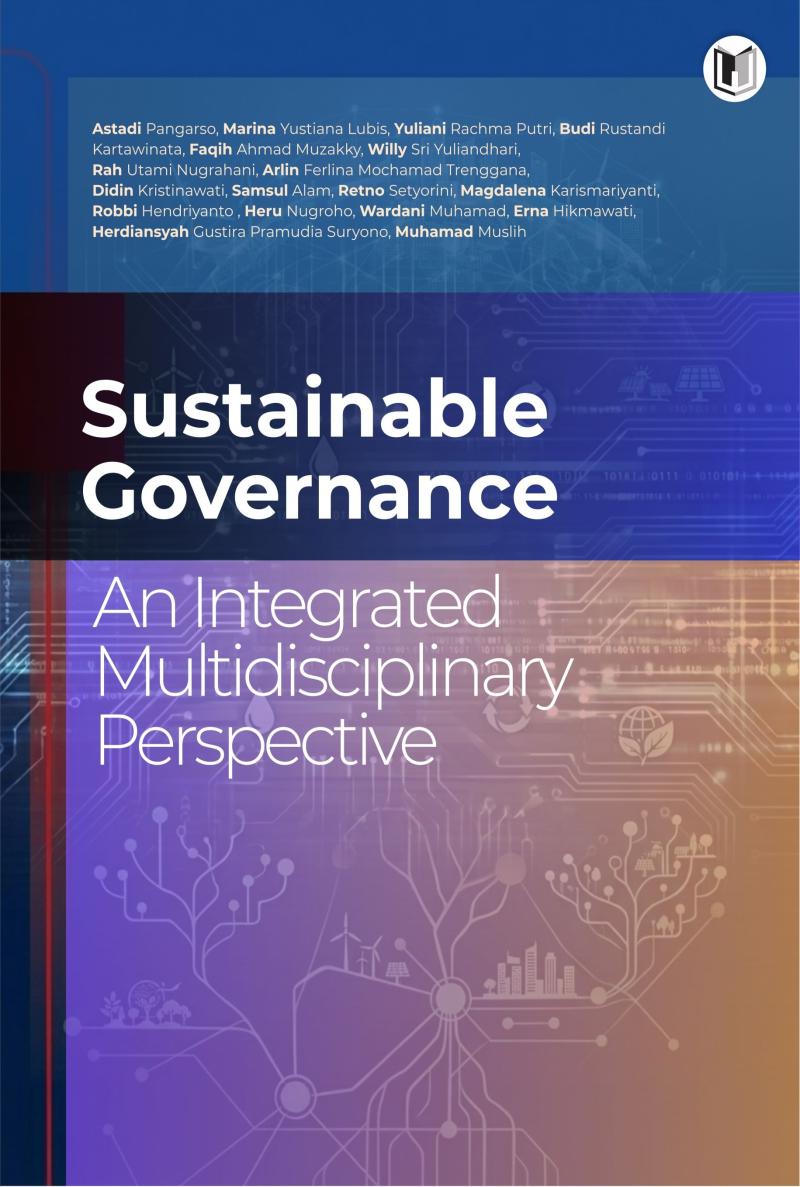
Downloads
Published
August 3, 2026
Copyright (c) 2026 Astadi Pangarso, Marina Yustiana Lubis, Yuliani Rachma Putri, Budi Rustandi Kartawinata, Faqih Ahmad Muzakky, Willy Sri Yuliandhari, Rah Utami Nugrahani, Arlin Ferlina Mochamad Trenggana, Didin Kristinawati, Samsul Alam, Retno Setyorini, Magdalena Karismariyanti, Robbi Hendriyanto, Heru Nugroho, Wardani Muhamad, Erna Hikmawati, Herdiansyah Gustira Pramudia Suryono, Muhamad Muslih (Author)
License

This work is licensed under a Creative Commons Attribution-NonCommercial-ShareAlike 4.0 International License.
How to Cite
Astadi Pangarso, Marina Yustiana Lubis, Yuliani Rachma Putri, Budi Rustandi Kartawinata, Faqih Ahmad Muzakky, Willy Sri Yuliandhari, Rah Utami Nugrahani, Arlin Ferlina Mochamad Trenggana, Didin Kristinawati, Samsul Alam, Retno Setyorini, Magdalena Karismariyanti, Robbi Hendriyanto, Heru Nugroho, Wardani Muhamad, Erna Hikmawati, Herdiansyah Gustira Pramudia Suryono, & Muhamad Muslih. (2026). SUSTAINABLE GOVERNANCE: AN INTEGRATED MULTIDISCIPLINARY PERSPECTIVE. Widina Media Utama. https://doi.org/10.59818/vwvzpt16