

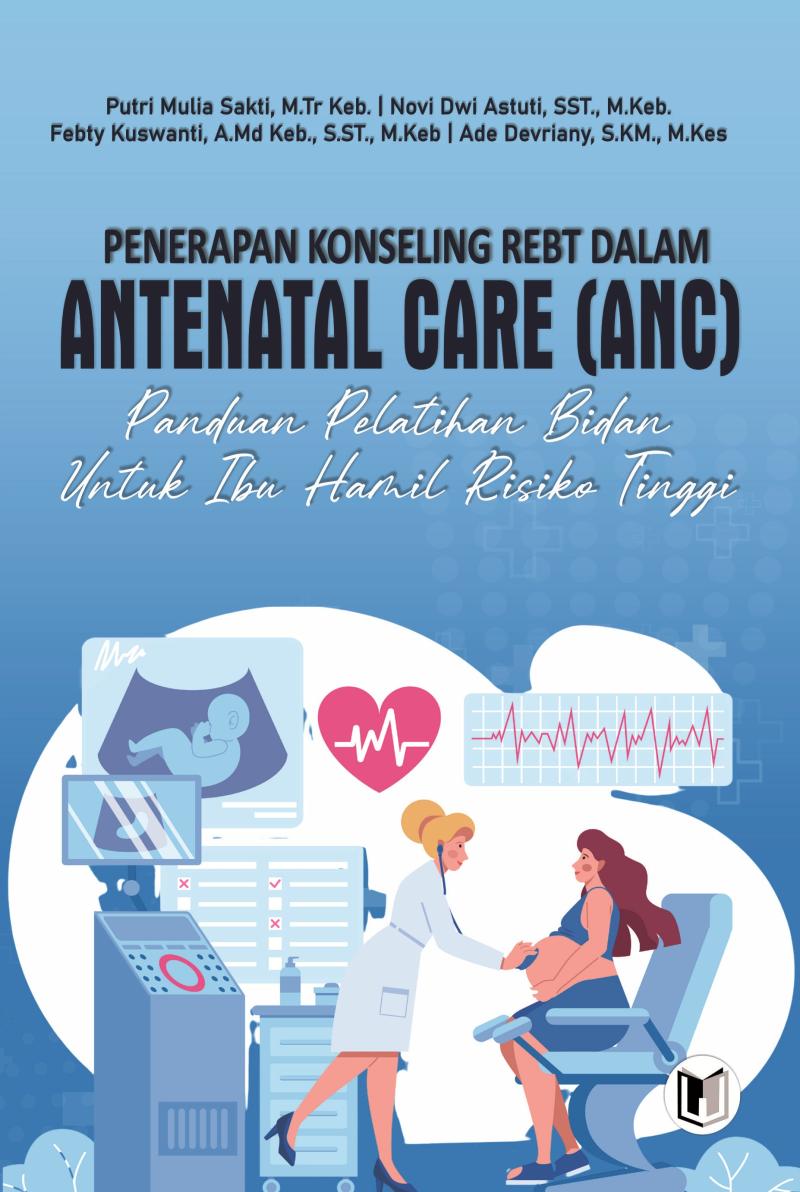
PENERAPAN KONSELING REBT DALAM ANTENATAL CARE (ANC): PANDUAN PELATIHAN BIDAN UNTUK IBU HAMIL RISIKO TINGGI
Keywords:
Rational Emotive Behavior Therapy (REBT), Asuhan Kebidanan, Antenatal Care (ANC), Hipertensi dalam Kehamilan, Kesehatan Mental Maternal, Konseling Psikologis, Resiliensi PsikologisSynopsis
Buku ajar ini hadir sebagai respons terhadap kesenjangan yang selama ini kurang disadari dalam praktik kebidanan di Indonesia: fokus pelayanan antenatal yang terlalu dominan pada aspek fisik, sementara kesehatan psikologis ibu hamil khususnya mereka yang menghadapi kehamilan risiko tinggi seperti hipertensi kerap terabaikan. Padahal, kondisi mental ibu memiliki dampak langsung terhadap kesehatan maternal dan janin. Buku ini memperkenalkan dan menguraikan secara komprehensif penerapan Rational Emotive Behavior Therapy (REBT), sebuah pendekatan konseling yang dikembangkan oleh Albert Ellis dalam konteks Antenatal Care (ANC). REBT bekerja dengan cara mengidentifikasi dan mengubah keyakinan irasional yang memicu distres emosional, seperti kecemasan berlebihan, ketakutan menjelang persalinan, dan perasaan tidak mampu sebagai calon ibu, menjadi pola pikir yang lebih rasional dan adaptif.
Dengan sepuluh bab yang terstruktur, buku ini membimbing pembaca mulai dari landasan teori REBT dan patofisiologi hipertensi dalam kehamilan, hingga keterampilan praktis yang langsung dapat diterapkan bidan, antara lain:
-
Penggunaan Model ABCDE untuk menganalisis dan mengubah keyakinan irasional ibu hamil.
-
Teknik komunikasi terapeutik termasuk mendengar aktif, pertanyaan terbuka, dan manajemen resistensi klien.
-
Asesmen psikologis menggunakan instrumen baku seperti EPDS dan Skala Hamilton.
-
Strategi REBT per trimester dari adaptasi awal di trimester pertama hingga manajemen tokofobia menjelang persalinan.
-
Teknik relaksasi, biblioterapi, thought stopping, dan imajinasi emotif rasional.
-
Standar Operasional Prosedur (SOP) konseling REBT yang siap diimplementasikan, termasuk protokol rujukan medis-psikologis.
Buku ini juga dilengkapi dengan metode evaluasi berbasis kompetensi (kognitif, psikomotor, dan afektif), latihan mahasiswa, glosarium, serta daftar pustaka mutakhir yang kuat secara akademis.
Ditujukan bagi mahasiswa kebidanan, bidan praktisi, dan tenaga kesehatan, buku ini menjadi panduan yang tidak sekadar mentransfer teori, tetapi melatih bidan menjadi agen perubahan yang mampu memberdayakan ibu hamil dalam mengelola distres emosional dan membangun resiliensi psikologis menuju pelayanan antenatal yang lebih holistik, humanis, dan berbasis bukti.
Downloads
Download data is not yet available.
References
Aaso, H. S., et al. (2023). Long-term outcomes in children born preterm with and without preeclampsia: A nationwide cohort study. Pediatric Research, 94(4), 1423–1430. https://doi.org/10.1038/s41390-023-02588-4
Abenhaim, H. A., et al. (2022). Eclampsia: A systematic review and meta-analysis of the literature. Journal of Perinatal Medicine, 50(4), 419–428. https://doi.org/10.1515/jpm-2021-0498
Aggarwal, R., & Mytton, O. T. (2021). The role of simulation in healthcare: From theory to practice. Oxford University Press.
Alberti, R. E., & Emmons, M. L. (2017). Your perfect right: Assertiveness and equality in your life and relationships (10th ed.). Impact Publishers.
Ali, N., et al. (2021). The role of psychosocial stress and cortisol in preeclampsia: A systematic review. Psychoneuroendocrinology, 131, 105315. https://doi.org/10.1016/j.psyneuen.2021.105315
Alleva, J. M., et al. (2021). Appreciating my body: A randomized controlled trial of a body functionality-based intervention to improve body image. Body Image, 36, 145–156. https://doi.org/10.1016/j.bodyim.2020.11.002
Ambrose, S. A., et al. (2023). How learning works: Eight research-based principles for smart teaching. John Wiley & Sons.
American College of Obstetricians and Gynecologists. (2020). Gestational hypertension and preeclampsia: ACOG practice bulletin No. 222. Obstetrics & Gynecology, 135(6), e237–e260. https://doi.org/10.1097/AOG.0000000000003891
Ankumah, N. A., et al. (2021). Hypertensive disorders of pregnancy: A review of the current literature. Current Atherosclerosis Reports, 23(11), Article 69. https://doi.org/10.1007/s11883-021-00966-5
Ashoorkhani, M., et al. (2020). A systematic review of the health belief model for health behaviors. Journal of Education and Health Promotion, 9, Article 31.
Auger, N., et al. (2023). Social inequalities, air pollution, and hypertensive disorders of pregnancy. Hypertension, 80(3), 633–642. https://doi.org/10.1161/HYPERTENSIONAHA.122.20455
Back, A. L., Trinidad, S. B., Hwalek, M., & Arnold, R. M. (2021). Responding to emotion in conversations about goals of care: The NER model. Journal of Pain and Symptom Management, 62(1), 163–168. https://doi.org/10.1016/j.jpainsymman.2020.12.016
Backx, F. J. G., van der Akker-Scheek, I., & Stubbe, J. H. (2019). The application of rational emotive behavior therapy (REBT) in sport and exercise: A systematic review. Journal of Applied Sport Psychology, 31(4), 416–435. https://doi.org/10.1080/10413200.2018.1471783
Baile, W. F., Buckman, R., Lenzi, R., Glober, G., Beale, E. A., & Kudelka, A. P. (2000). SPIKES: A six-step protocol for delivering bad news: Application to the patient with cancer. The Oncologist, 5(4), 302–311. https://doi.org/10.1634/theoncologist.2000-0302
Baird, K., & Furedi, A. (2021). Mental health in pregnancy: A guide for healthcare professionals. British Journal of Midwifery, 29(10), 558–564. https://doi.org/10.12968/bjom.2021.29.10.558
Barrett, L. F., & Satpute, A. B. (2019). Historical and future directions in the science of emotion. Emotion Review, 11(4), 319–328. https://doi.org/10.1177/1754073919865201
Bartsch, E., et al. (2022). Risk factors for pre-eclampsia: An umbrella review of systematic reviews. BJOG: An International Journal of Obstetrics & Gynaecology, 129(10), 1644–1652. https://doi.org/10.1111/1471-0528.17173
Beck, J. S. (2020). Cognitive behavior therapy: Basics and beyond (3rd ed.). Guilford Press.
Bello, N. A., Woolley, J. J., & Miller, E. C. (2023). Hypertensive disorders of pregnancy. Heart, 109(19), 1464–1471. https://doi.org/10.1136/heartjnl-2022-321966
Berg, R. L., et al. (2020). The utility of the Edinburgh Postnatal Depression Scale in screening for perinatal anxiety. Journal of Affective Disorders, 265, 36–41. https://doi.org/10.1016/j.jad.2020.01.031
Bernard, J. M., & Goodyear, R. K. (2019). Fundamentals of clinical supervision (6th ed.). Pearson.
Bernard, M. E. (2021). The central role of unconditional self-acceptance in rational emotive behavior therapy. Journal of Rational-Emotive & Cognitive-Behavior Therapy, 39(1), 4–15. https://doi.org/10.1007/s10942-020-00378-0
Bernard, M. E. (2022). The philosophical and psychological foundations of rational emotive behavior therapy. In The Wiley encyclopedia of health psychology (pp. 445–452). Wiley. https://doi.org/10.1002/9781119057840.ch68
Beutler, L. E., et al. (2018). The therapeutic alliance, patient–therapist matching, and patient–therapist differences in psychotherapy. Psychotherapy, 55(4), 333–343. https://doi.org/10.1037/pst0000185
Borrelli, S., et al. (2022). Respectful maternity care: A systematic review and meta-synthesis of the perspectives of perinatal women. The Lancet Global Health, 10(7), e1029–e1043. https://doi.org/10.1016/S2214-109X(22)00155-9
Boursicot, K., et al. (2020). Performance-based assessment: AMEE Guide No. 132. Medical Teacher, 42(1), 3–12.
Bradfield, Z., Hauck, Y., & Kelly, M. (2020). "It's about having a conversation": A qualitative study of midwives' perceptions of their role in perinatal mental health. Midwifery, 85, 102685. https://doi.org/10.1016/j.midw.2020.102685
Braithwaite, J., et al. (2018). The contribution of communities of practice to the implementation of evidence-based practice in health care: A systematic review. BMC Health Services Research, 18(1), 1–13.
Brindley, P. G., & Reynolds, S. F. (2018). Improving communication in critical care. Journal of Critical Care, 48, 433–437. https://doi.org/10.1016/j.jcrc.2018.06.024
Brutus, S., et al. (2020). 360-degree feedback: A critical review of the literature and a research agenda. Human Resource Management Review, 30(1), 100693.
Burton, G. J., Redman, C. W., Roberts, J. M., & Moffett, A. (2019). Pre-eclampsia: Pathophysiology and clinical implications. BMJ, 366, l2381. https://doi.org/10.1136/bmj.l2381
Bylund, C. L., et al. (2020). Training medical students in communication skills: A systematic review of the literature. Patient Education and Counseling, 103(11), 2209–2220. https://doi.org/10.1016/j.pec.2020.06.012
Chamberlain, J. M., & Haaga, D. A. F. (2021). Unconditional self-acceptance and psychological health. Journal of Rational-Emotive & Cognitive-Behavior Therapy, 39(1), 16–29. https://doi.org/10.1007/s10942-020-00361-9
Ciobanu, L. G., Cimpian, A., & David, D. (2019). The effectiveness of rational emotive behavior therapy (REBT) in the treatment of major depressive disorder: A systematic review. Journal of Evidence-Based Psychotherapies, 19(1), 1–19. https://doi.org/10.24193/jebp.2019.1.1
Class, Q. A., et al. (2020). The role of stress in the etiology of perinatal mood and anxiety disorders: A meta-analysis. Clinical Psychology Review, 76, 101815. https://doi.org/10.1016/j.cpr.2020.101815
Cleland, J., et al. (2021). The Objective Structured Clinical Examination (OSCE): AMEE Guide No. 81. Part 2: Planning and implementing an OSCE. Medical Teacher, 43(7), 765–780. https://doi.org/10.1080/0142159X.2021.1915017
Cox, J. L., Holden, J. M., & Sagovsky, R. (1987). Detection of postnatal depression: Development of the 10-item Edinburgh Postnatal Depression Scale. The British Journal of Psychiatry, 150(6), 782–786. https://doi.org/10.1192/bjp.150.6.782
Craske, M. G., et al. (2021). Mastery of your anxiety and panic: Workbook (4th ed.). Oxford University Press.
Crisp, N., & Allotey, P. (2022). Global health in the 21st century: A new vision for the future. The Lancet, 400(10364), 1678–1679.
Cunningham, S. D., et al. (2021). The role of coping in the relationship between stress and hypertension among African American women. Journal of Black Psychology, 47(2–3), 115–140. https://doi.org/10.1177/0095798420979310
Cypress, B. S. (2021). The lived experience of families of patients in the intensive care unit: A phenomenological study. Dimensions of Critical Care Nursing, 40(2), 107–115. https://doi.org/10.1097/DCC.0000000000000459
D'Aniello, G. E., et al. (2021). Non-verbal communication and emotional expression in clinical settings: A review. Journal of Clinical Medicine, 10(12), Article 2567. https://doi.org/10.3390/jcm10122567
David, D. (2021). Rationality and emotionality in the context of psychotherapy: A clinical-cognitive neuroscience perspective. Oxford University Press.
David, D., Cristea, I., & Hofmann, S. G. (2018). Why cognitive behavioral therapy is the current gold standard of psychotherapy. Frontiers in Psychiatry, 9, Article 4. https://doi.org/10.3389/fpsyt.2018.00004
Davis, D. L., & Utrata, C. (2022). Birth as a transformative experience: A meta-synthesis of qualitative studies. Journal of Perinatal Education, 31(2), 79–91. https://doi.org/10.1891/J-PE-D-20-00057
de Felice, G., et al. (2019). The impact of open-ended and closed-ended questions on the therapeutic alliance in cognitive-behavioral therapy. Psychotherapy Research, 29(5), 625–636. https://doi.org/10.1080/10503307.2017.1394747
Dencker, A., et al. (2021). The relationship between prenatal stress and neonatal outcomes: A systematic review. Journal of Perinatal Medicine, 49(7), 803–813. https://doi.org/10.1515/jpm-2020-0588
Dhakal, P., Creedy, D. K., Gamble, J., Newnham, E., & McInnes, R. (2022). Educational interventions to promote respectful maternity care: A mixed-methods systematic review. Nurse Education in Practice, 60, 103317. https://doi.org/10.1016/j.nepr.2022.103317
DiGiuseppe, R., Doyle, K. A., Dryden, W., & Backx, W. (2017). A practitioner's guide to rational emotive behavior therapy. Oxford University Press.
Donnelly, E., et al. (2021). Maternal anxiety about fetal wellbeing: A systematic review of assessment and treatment approaches. Journal of Affective Disorders, 282, 815–826. https://doi.org/10.1016/j.jad.2021.01.026
Downes, K. L., et al. (2021). Hypertensive disorders of pregnancy and the risk of placental abruption: A systematic review and meta-analysis. American Journal of Obstetrics and Gynecology, 224(3), 246–256.e3. https://doi.org/10.1016/j.ajog.2020.10.019
Driessen, E., et al. (2020). The use of portfolios in medical education: AMEE Guide No. 45. Medical Teacher, 32(4), 200–219.
Dryden, W. (2019). The rational emotive behaviour therapy primer. PCCS Books.
Dryden, W. (2020). The practice of rational emotive behaviour therapy. Springer Publishing Company.
Dryden, W. (2021). Low frustration tolerance: A practitioner's guide to theory, research, and practice. Routledge. https://doi.org/10.4324/9781003191199
Duan, Y., et al. (2020). The HELLP syndrome: A systematic review. Journal of Perinatology, 40(8), 1139–1147. https://doi.org/10.1038/s41372-020-0694-8
Durning, S. J., et al. (2020). The learning and teaching of clinical reasoning. Academic Medicine, 95(5), 688–697.
Ellis, A. (2019). The basic clinical theory of rational emotive behavior therapy. In A. Ellis & W. Dryden (Eds.), The practice of rational emotive behavior therapy (pp. 15–50). Springer Publishing Company.
Ellis, A., & Dryden, W. (Eds.). (2019). The practice of rational emotive behavior therapy. Springer Publishing Company.
Elvander, C., et al. (2021). Treatment of fear of childbirth: A systematic review and meta-analysis of intervention studies. Journal of Affective Disorders, 294, 452–463. https://doi.org/10.1016/j.jad.2021.07.086
Everly, G. S., & Lating, J. M. (2019). The Johns Hopkins guide to psychological first aid (2nd ed.). Johns Hopkins University Press.
Fairbrother, N., et al. (2021). The role of guilt in the development of perinatal obsessive-compulsive disorder. Journal of Affective Disorders, 280, 36–44. https://doi.org/10.1016/j.jad.2020.10.067
Fawcett, E. J., et al. (2019). The role of risk and protective factors for perinatal depression: A meta-analysis. Journal of Affective Disorders, 259, 210–221.
Fisher, C. B. (2022). Decoding the ethics code: A practical guide for psychologists. Sage Publications.
Fitri, S. (2024). The effect of rational emotive behavior therapy (REBT) intervention on reducing anxiety and improving the quality of self-coping of pregnant women. Journal of Scientific Research, Education, and Technology (JSRET), 3(3), 460. https://doi.org/10.58526/jsret.v3i3.460
Floyd, M. R. (2019). Bibliotherapy as an adjunct to psychotherapy. Journal of Clinical Psychology, 75(2), 213–225. https://doi.org/10.1002/jclp.22728
Fontein-Kuipers, Y. J., et al. (2021). Midwives' views on their role in perinatal mental health care: A qualitative study. Women and Birth, 34(3), e279–e287. https://doi.org/10.1016/j.wombi.2020.04.010
Forman, E. M., & Herbert, J. D. (2019). New directions in cognitive behavior therapy: Acceptance-based therapies. American Psychological Association.
Fox, R., et al. (2019). Clinical communication and counseling in preeclampsia. Pregnancy Hypertension, 15, 116–121. https://doi.org/10.1016/j.preghy.2018.11.006
G-F, N., & T, P. (2018). Scaffolding in clinical education: A qualitative study of supervisors' perceptions. Nurse Education in Practice, 33, 118–123. https://doi.org/10.1016/j.nepr.2018.10.003
Garfinkel, A. A., & Vora, N. L. (2023). Chronic hypertension in pregnancy. Obstetrics and Gynecology Clinics, 50(1), 1–15. https://doi.org/10.1016/j.ogc.2022.10.001
Garrido-Gimenez, C., & Alijotas-Reig, J. (2021). The role of stress in the pathogenesis of preeclampsia: A systematic review. Autoimmunity Reviews, 20(5), 102804. https://doi.org/10.1016/j.autrev.2021.102804
Gąsior, M., et al. (2024). Genetic and epigenetic factors in preeclampsia: A review. International Journal of Molecular Sciences, 25(3), Article 1801. https://doi.org/10.3390/ijms25031801
Gawad, N., & E-Gohary, A. (2021). The SOAP note: A guide for health professionals. Elsevier.
Gilkison, A. (2023). Case-based learning in health professional education: A guide for educators. Routledge.
Ginsburg, S., et al. (2020). "The professional": A new vision for medicine. Academic Medicine, 95(7), 991–996. https://doi.org/10.1097/ACM.0000000000003154
Gleeson, L., et al. (2021). The role of clinical audit in improving quality of care. BMJ, 372, n855. https://doi.org/10.1136/bmj.n855
Goodman, J. H., & Tyer-Viola, L. (2020). Perinatal and postpartum mood disorders: A guide for medical, mental health, and other support providers. Springer.
Goodyear, R. K., & Bordin, E. S. (2021). The working alliance: A retrospective look and a future-oriented perspective. Psychotherapy, 58(1), 18–25. https://doi.org/10.1037/pst0000353
Gourounti, K., et al. (2021). Maternal stress and anxiety and risk of preeclampsia: A systematic review and meta-analysis. Journal of Maternal-Fetal & Neonatal Medicine, 34(20), 3421–3430. https://doi.org/10.1080/14767058.2019.1678850
Grandi, C., et al. (2020). Fetal growth restriction: Current concepts. Journal of Maternal-Fetal & Neonatal Medicine, 33(11), 1905–1915. https://doi.org/10.1080/14767058.2018.1537824
Grant, A. M., & Townend, A. (2019). The role of cognitive and behavioural interventions in coaching. In The Wiley-Blackwell handbook of coaching and mentoring (pp. 95–110). Wiley-Blackwell.
Guidetti, M., et al. (2021). Self-monitoring of blood pressure in pregnancy: A systematic review. Hypertension, 78(4), 1133–1142.
Guskey, T. R. (2019). Evaluating professional development: Corwin's guide for school improvement. Corwin Press.
Harden, R. M., & Gleeson, F. (2016). Assessment of clinical competence using an objective structured clinical examination (OSCE). Medical Education, 13(1), 1–7.
Harrington, N. (2021). The use of REBT in treating anxiety disorders. Journal of Contemporary Psychotherapy, 51(2), 113–120. https://doi.org/10.1007/s10879-020-09477-8
Hew, K. F., & Lo, C. K. (2018). Flipped classroom improves student learning in health professions education: A meta-analysis. BMC Medical Education, 18(1), Article 38. https://doi.org/10.1186/s12909-018-1144-z
Hodgkinson, E. L., et al. (2022). Body image dissatisfaction during pregnancy: A systematic review of the literature. Midwifery, 107, 103264. https://doi.org/10.1016/j.midw.2022.103264
Horvath, A. O., et al. (2021). The alliance in psychotherapy: A meta-analytic synthesis. Psychotherapy, 58(1), 1–17. https://doi.org/10.1037/pst0000352
Hutagaol, E., & Tuppal, C. (2022). Depression and anxiety among pregnant women with hypertensive disorders: A systematic review. BMC Pregnancy and Childbirth, 22(1), Article 606. https://doi.org/10.1186/s12884-022-04938-2
Huxley-Binns, P. (2021). The importance of preparation in clinical practice. British Journal of Nursing, 30(15), 918–919. https://doi.org/10.12968/bjon.2021.30.15.918
I-Mészáros, A., et al. (2021). The use of video modeling in medical education: A systematic review. Medical Education Online, 26(1), 1934913. https://doi.org/10.1080/10872981.2021.1934913
Iacobucci, G., et al. (2022). How to conduct a clinical audit and quality improvement project. The Clinical Teacher, 19(3), 205–211. https://doi.org/10.1111/tct.13459
Ives, C. W., et al. (2020). Preeclampsia: Pathophysiology and clinical presentations: JACC state-of-the-art review. Journal of the American College of Cardiology, 76(14), 1690–1702. https://doi.org/10.1016/j.jacc.2020.08.014
Jena, R. K. (2021). The role of positive affirmations in enhancing psychological well-being. Journal of Humanistic Psychology, 61(4), 547–565. https://doi.org/10.1177/0022167820935543
Ji, J. L., et al. (2019). Mental imagery in psychiatry: A comprehensive review. Harvard Review of Psychiatry, 27(2), 93–105.
Jiga-Iliescu, D. A., Tigan, S. I., & Opre, A. (2021). The role of irrational beliefs in adherence to treatment in patients with chronic diseases: A systematic review. Journal of Evidence-Based Psychotherapies, 21(2), 115–136. https://doi.org/10.24193/jebp.2021.2.7
Johnson, C. E., et al. (2020). Feedback in medical education: AMEE Guide No. 131. Medical Teacher, 42(1), 13–26.
Jones, C. J., & Jones, A. H. (2022). Cognitive behavioral therapy for nausea and vomiting of pregnancy: A pilot randomized controlled trial. Obstetrics & Gynecology, 139(4), 598–606. https://doi.org/10.1097/AOG.0000000000004712
K-C, L., et al. (2020). Observational learning in clinical skills education: A systematic review. Medical Education, 54(9), 786–797. https://doi.org/10.1111/medu.14159
K-N, A. A., & Adjei, E. (2020). The use of flip charts as a health education tool for pregnant women in rural Ghana. Journal of Health Communication, 25(5), 429–436. https://doi.org/10.1080/10810730.2020.1784914
Kaufman, S. B., & Flanagan, M. (2020). The relationship between psychological flexibility and well-being. Journal of Contextual Behavioral Science, 18, 214–222. https://doi.org/10.1016/j.jcbs.2020.09.002
Kazantzis, N., Dattilio, F. M., & Dobson, K. S. (2018). The therapeutic relationship in cognitive-behavioral therapy: A clinician's guide. Guilford Press.
Kenny, N. P., et al. (2021). Entrustment as a framework for clinical supervision. Academic Medicine, 96(7 Suppl.), S34–S41. https://doi.org/10.1097/ACM.0000000000004112
Khan, K. Z., Ramachandran, S., Gaunt, K., & Pushkar, P. (2013). The Objective Structured Clinical Examination (OSCE): AMEE Guide No. 81. Part I: An historical and theoretical perspective. Medical Teacher, 35(9), e1437–e1446.
King, A., Plateau, C. R., Turner, M. J., Young, P., & Barker, J. B. (2024). A systematic review of the nature and efficacy of rational emotive behaviour therapy interventions. PLOS ONE, 19(6), e0306835. https://doi.org/10.1371/journal.pone.0306835
Kingston, D., et al. (2022). Barriers and facilitators to mental health screening for pregnant and postpartum women. Journal of Affective Disorders, 300, 43–52. https://doi.org/10.1016/j.jad.2021.12.083
Kinsella, P., & Heinsch, M. (2021). The use of role-play in health professional education: A scoping review. Nurse Education Today, 101, 104868. https://doi.org/10.1016/j.nedt.2021.104868
Kneebone, R., & Baillie, S. (2020). The role of simulation in medical education. In T. Swanwick (Ed.), Understanding medical education (pp. 223–238). Wiley-Blackwell.
Knowlton, L. M., & Hackman, J. R. (2021). The importance of integrating basic science in clinical medical education. JAMA, 326(11), 1017–1018. https://doi.org/10.1001/jama.2021.13083
Lee, J. S., et al. (2020). The effects of assertiveness training on interpersonal relationships, self-esteem, and stress in nursing students. Nurse Education Today, 85, 104291. https://doi.org/10.1016/j.nedt.2019.104291
Leeman, L., et al. (2022). Gestational hypertension: A review. JAMA, 327(19), 1912–1922. https://doi.org/10.1001/jama.2022.6841
Lefkowitz, D. S., et al. (2020). Maternal guilt and shame: A systematic review. Journal of Perinatal Psychology, 32(2), 115–132.
Leight, K. L., et al. (2021). Universal screening for perinatal mood and anxiety disorders: ACOG Committee Opinion No. 824. Obstetrics & Gynecology, 137(3), e73–e89. https://doi.org/10.1097/AOG.0000000000004298
LeWinn, K. Z., et al. (2022). Prenatal psychosocial stress and hypertensive disorders of pregnancy: A systematic review and meta-analysis. Psychosomatic Medicine, 84(6), 675–685. https://doi.org/10.1097/PSY.0000000000001096
Lindenthal, J. J. (2019). The importance of the medical record. Innovations in Clinical Neuroscience, 16(1–2), 11–13.
Linehan, M. M. (2020). DBT skills training manual (2nd ed.). Guilford Press.
Magee, L. A., et al. (2022). The 2021 International Society for the Study of Hypertension in Pregnancy classification, diagnosis, and management recommendations for international practice. Pregnancy Hypertension, 27, 148–169. https://doi.org/10.1016/j.preghy.2021.09.008
McLeod, J., & McLeod, J. (2022). An introduction to counselling and psychotherapy. McGraw-Hill Education.
Meert, K. L., et al. (2020). A communication intervention to improve family-clinician communication in the PICU. Pediatric Critical Care Medicine, 21(5), e249–e259. https://doi.org/10.1097/PCC.0000000000002244
Miller, W. R., & Rollnick, S. (2023). Motivational interviewing: Preparing people for change (4th ed.). Guilford Press.
Mitte, K. (2019). A meta-analysis of the psychometric properties of the Hamilton Anxiety Rating Scale (HAM-A). Journal of Anxiety Disorders, 65, 1–13. https://doi.org/10.1016/j.janxdis.2019.04.002
Möller, A. T., & De Beer, M. (2020). The role of irrational beliefs in the prediction of psychological distress. South African Journal of Psychology, 50(3), 360–372. https://doi.org/10.1177/0081246320925244
Mousa, M. F., & El-Sayed, H. A. (2022). Effect of video-based learning on nursing students' clinical skills performance: A systematic review and meta-analysis. Nurse Education Today, 111, 105307. https://doi.org/10.1016/j.nedt.2022.105307
N-M, F., et al. (2022). The effectiveness of tele-counseling on maternal mental health: A systematic review and meta-analysis. Journal of Telemedicine and Telecare, 28(7), 475–489. https://doi.org/10.1177/1357633X20963336
Neenan, M. (2018). Developing resilience: A cognitive-behavioural approach. Routledge.
Neenan, M., & Palmer, S. (2022). Cognitive-behavioural coaching: A guide to the theory and practice of CBT coaching. Routledge.
Ngan, H. L., & Yip, A. W. (2022). A systematic review on the use of reflective practice in nursing education. Nurse Education Today, 119, 105572.
Nwozichi, C. U., et al. (2020). Midwives' perception of the factors affecting the establishment of therapeutic relationships with women in labour. Midwifery, 89, 102787. https://doi.org/10.1016/j.midw.2020.102787
O'Connell, M. A., et al. (2022). A cognitive-behavioral model for the understanding and treatment of fear of childbirth. Cognitive and Behavioral Practice, 29(1), 120–131. https://doi.org/10.1016/j.cbpra.2021.01.002
O'Connor, S., et al. (2022). A guide to ethical documentation for mental health professionals. Routledge.
O'Donohue, W. T., & Richardson, C. (2018). Rational emotive behavior therapy in the treatment of medical conditions. Springer.
Oltean, H. R., Hyland, P., & David, D. (2020). The relationship between irrational beliefs and psychopathology: A meta-analysis. Clinical Psychology Review, 77, 101831. https://doi.org/10.1016/j.cpr.2020.101831
Pendleton, D. (2003). The new consultation: Developing doctor-patient communication. Oxford University Press.
Persons, J. B., & Hong, J. J. (2021). Collaborative case conceptualization: A guide for cognitive-behavioral therapists. Guilford Press.
Phipps, E. A., et al. (2019). Preeclampsia: Updates in pathogenesis, definitions, and guidelines. Clinical Journal of the American Society of Nephrology, 14(8), 1258–1267. https://doi.org/10.2215/CJN.12081018
Phrampus, P. E., & O'Donnell, J. M. (2021). Debriefing in healthcare simulation. StatPearls.
Poon, L. C., et al. (2019). The International Federation of Gynecology and Obstetrics (FIGO) initiative on pre-eclampsia: A pragmatic guide for first-trimester screening and prevention. International Journal of Gynecology & Obstetrics, 145(Suppl. 1), 1–33. https://doi.org/10.1002/ijgo.12802
Pope, T., et al. (2022). Using SBAR for effective communication in healthcare. Nursing Standard, 37(5), 71–76. https://doi.org/10.7748/ns.2022.e11854
Pritchard, S. A., et al. (2020). Simulated patients in health professions education: A systematic review and meta-analysis. Medical Education, 54(9), 798–808.
Racine, N., et al. (2021). Perinatal maternal mental health and infant development: A narrative review. Developmental Review, 60, 100958.
Rachman, S., & Hodgson, R. J. (2019). Obsessions and compulsions (Classic ed.). Oxford University Press.
Ravaldi, C., et al. (2020). The impact of maternal perfectionism on prenatal and postnatal anxiety and depression. Journal of Affective Disorders, 277, 345–352. https://doi.org/10.1016/j.jad.2020.08.026
Richmond, J. P., et al. (2022). De-escalation techniques for managing aggression in the emergency department: A systematic review. Journal of the American College of Emergency Physicians Open, 3(2), e12681. https://doi.org/10.1002/emp2.12681
Riess, H. (2018). The empathy effect: Seven neuroscience-based keys for transforming the way we live, love, work, and lead. Sounds True.
Rogers, C. R., & Schmid, P. F. (2021). The person-centered approach: A revolutionary paradigm. PCCS Books.
Rolnik, D. L., et al. (2022). Preeclampsia: A diagnostic and therapeutic update. The Lancet, 399(10337), 1865–1876. https://doi.org/10.1016/S0140-6736(22)00582-7
Rondung, E., et al. (2020). Fear of childbirth: A national cohort study of its prevalence, risk factors, and outcomes. Acta Obstetricia et Gynecologica Scandinavica, 99(6), 767–775. https://doi.org/10.1111/aogs.13784
Rudolph, J. W., Simon, R., Dufresne, R. L., & Raemer, D. B. (2006). There's no such thing as "nonjudgmental" debriefing: A theory and method for debriefing with good judgment. Simulation in Healthcare, 1(1), 49–55. https://doi.org/10.1097/01266021-200600110-00006
Russ, S. J., et al. (2018). The effectiveness of checklists in clinical settings: A systematic review. BMJ Quality & Safety, 27(11), 934–942.
Sadeghi, R., et al. (2021). The impact of health literacy-based educational interventions on patient outcomes: A systematic review. Patient Education and Counseling, 104(8), 1873–1886. https://doi.org/10.1016/j.pec.2021.01.006
Salas, E., et al. (2022). The science of training and development in organizations. Annual Review of Organizational Psychology and Organizational Behavior, 9, 345–373.
Salonen, A. O., et al. (2022). The healing environment: A systematic review of the impact of physical environmental factors on health. Health & Place, 73, 102717. https://doi.org/10.1016/j.healthplace.2021.102717
Saxena, S., et al. (2021). The importance of mental health data in public health. The Lancet Public Health, 6(10), e708–e709. https://doi.org/10.1016/S2468-2667(21)00196-8
Schön, D. A. (1983). The reflective practitioner: How professionals think in action. Basic Books.
Schuwirth, L. W., & Van der Vleuten, C. P. M. (2019). Programmatic assessment: From assessment of learning to assessment for learning. Medical Teacher, 41(11), 1218–1225.
Shah, M., et al. (2021). A systematic review of the SBAR tool for communication in healthcare. Journal of Patient Safety, 17(8), e1325–e1333. https://doi.org/10.1097/PTS.0000000000000570
Sheeba, B., & Nath, A. (2021). Prevalence of anxiety and its associated factors among pregnant women in a rural community of South India. Journal of Family Medicine and Primary Care, 10(5), 1904–1908. https://doi.org/10.4103/jfmpc.jfmpc_2319_20
Shenk, C. E., & Fruzzetti, A. E. (2021). The impact of validation and invalidation on aggression in individuals with borderline personality disorder. Journal of Personality Disorders, 35(Suppl. B), 16–30. https://doi.org/10.1521/pedi_2021_35_512
Sidebottom, A., et al. (2021). Routine screening for perinatal mental health conditions in the United States. Maternal and Child Health Journal, 25(4), 549–557. https://doi.org/10.1007/s10995-020-03099-y
Sohlberg, S., et al. (2021). The impact of obesity on the risk of preeclampsia: A systematic review and meta-analysis. Obesity Reviews, 22(5), e13180. https://doi.org/10.1111/obr.13180
Spengler, P. M., et al. (2022). The therapeutic alliance: A meta-analysis of the relationship with outcome in youth psychotherapy. Journal of Clinical Child & Adolescent Psychology, 51(2), 173–189. https://doi.org/10.1080/15374416.2020.1764614
Stallard, P. (2020). Thinking good, feeling better: A cognitive behavioural therapy workbook for children and young people. Wiley-Blackwell.
Stickley, T., & Freshwater, D. (Eds.). (2019). The art of the relationship: A critical introduction to counselling and psychotherapy. PCCS Books.
Størksen, H. T., et al. (2021). The prevalence of tokophobia in the general population: A systematic review and meta-analysis. Archives of Women's Mental Health, 24(5), 729–741. https://doi.org/10.1007/s00737-021-01123-6
Sturmberg, J. P., & Martin, C. M. (2020). The ethics of integrated health care. Journal of Evaluation in Clinical Practice, 26(2), 405–412. https://doi.org/10.1111/jep.13361
Sweet, L., et al. (2021). Midwives' perspectives on perinatal mental health: A scoping review. Journal of Clinical Nursing, 30(1–2), 34–49. https://doi.org/10.1111/jocn.15518
Szentagotai, A., & Jones, J. (2019). The behavioral consequences of holding irrational beliefs. Journal of Cognitive and Behavioral Psychotherapies, 19(1), 1–13.
Szilagyi, A., Beko, A., & Kökönyei, G. (2020). Efficacy of rational emotive behavior therapy in the treatment of anxiety disorders: A meta-analysis. Journal of Rational-Emotive & Cognitive-Behavior Therapy, 38(3), 284–306. https://doi.org/10.1007/s10942-020-00342-y
T-A, D., et al. (2020). Perinatal tele-mental health: A review of the literature. Current Psychiatry Reports, 22(8), Article 39. https://doi.org/10.1007/s11920-020-01162-8
T-M, R., & M, S. (2022). Application of Health Belief Model for medication adherence in pregnancy-induced hypertension: A qualitative study. BMC Pregnancy and Childbirth, 22(1), 1–9. https://doi.org/10.1186/s12884-022-04535-3
T-V, A., & M-S, J. (2019). The effectiveness of personal development plans in continuing professional development: A systematic review. Medical Education, 53(3), 234–249. https://doi.org/10.1111/medu.13783
Thombre, M. K., et al. (2021). The interplay between psychological stress and hypertensive disorders of pregnancy: A narrative review. Obstetrical & Gynecological Survey, 76(7), 429–438. https://doi.org/10.1097/OGX.0000000000000913
Toussaint, L., et al. (2021). The effects of progressive muscle relaxation on stress and well-being: A systematic review and meta-analysis. Journal of Health Psychology, 26(10), 1643–1667. https://doi.org/10.1177/1359105320904422
Townsend, R., et al. (2022). Hypertensive disorders of pregnancy and postpartum hemorrhage: A systematic review and meta-analysis. Journal of Maternal-Fetal & Neonatal Medicine, 35(25), 9576–9585. https://doi.org/10.1080/14767058.2022.2045618
Turner, M. J., & Barker, J. B. (2020). The rational practitioner: A rational emotive behavior therapy-informed approach to sport and performance psychology. Routledge.
Van den Bergh, B. R. H., et al. (2020). Prenatal developmental origins of behavior and mental health: The influence of maternal stress in pregnancy. Neuroscience & Biobehavioral Reviews, 117, 26–64. https://doi.org/10.1016/j.neubiorev.2017.07.003
Vandekieft, G. K. (2020). Breaking bad news. American Family Physician, 101(9), 541–542.
Vogt, F., & de Jong, P. J. (2021). Thought stopping as a thought control technique: A review of the evidence. Cognitive Therapy and Research, 45(5), 803–820. https://doi.org/10.1007/s10608-021-10221-z
Wachtel, P. L. (2022). Therapeutic communication: Knowing what to say when (2nd ed.). Guilford Press.
Wahal, C. S., & Kalra, B. (2023). HELLP syndrome. In StatPearls. StatPearls Publishing.
Waltman, S. H., et al. (2021). Socratic questioning for therapists: A clinician's guide to getting unstuck. W. W. Norton & Company.
Warren, C. S., et al. (2019). The role of fatalism in health behaviors and outcomes: A systematic review and meta-analysis. Annals of Behavioral Medicine, 53(8), 757–772. https://doi.org/10.1093/abm/kay091
Watkins, C. E., Jr. (2019). Does psychotherapy supervision contribute to patient outcomes? A new research agenda. The Clinical Supervisor, 38(1), 1–21.
Wenger-Trayner, E., & Wenger-Trayner, B. (2020). Learning to make a difference: Value creation in social learning spaces. Cambridge University Press.
Witte, T. K., et al. (2020). Perfectionism and perinatal mental health. Journal of Obstetric, Gynecologic & Neonatal Nursing, 49(3), 246–256. https://doi.org/10.1016/j.jogn.2020.02.002
Wolf, J. A., et al. (2021). The patient experience and patient safety: A narrative review. Patient Experience Journal, 8(1), 19–33.
Wolpe, J. (2019). The practice of behavior therapy (Classic reissue). Pergamon Press.
World Health Organization. (2018). WHO recommendations: Intrapartum care for a positive childbirth experience. World Health Organization.
World Health Organization. (2020). Psychological first aid: Guide for field workers. World Health Organization.
World Health Organization. (2021). Transforming health care with digital health: WHO global strategy on digital health 2020–2025. World Health Organization.
World Health Organization. (2022). World mental health report: Transforming mental health for all. World Health Organization.
Zare, S., et al. (2021). The effect of therapeutic communication skills training on the satisfaction of pregnant women with midwifery care. BMC Pregnancy and Childbirth, 21(1), Article 594. https://doi.org/10.1186/s12884-021-04071-6
Ziegler, A. J. (2021). The philosophical and historical roots of cognitive behavioral therapies. In D. David, S. G. Hofmann, & A. Ellis (Eds.), Handbook of cognitive behavioral therapies (4th ed., pp. 27–55). Guilford Press.
Downloads
Published
June 29, 2026
Copyright (c) 2026 Putri Mulia Sakti, Novi Dwi Astuti, Febty Kuswanti, Ade Devriany (Author)
License

This work is licensed under a Creative Commons Attribution-NonCommercial-ShareAlike 4.0 International License.
How to Cite
Putri Mulia Sakti, Novi Dwi Astuti, Febty Kuswanti, & Ade Devriany. (2026). PENERAPAN KONSELING REBT DALAM ANTENATAL CARE (ANC): PANDUAN PELATIHAN BIDAN UNTUK IBU HAMIL RISIKO TINGGI. Widina Media Utama. https://doi.org/10.59818/f3g77938